





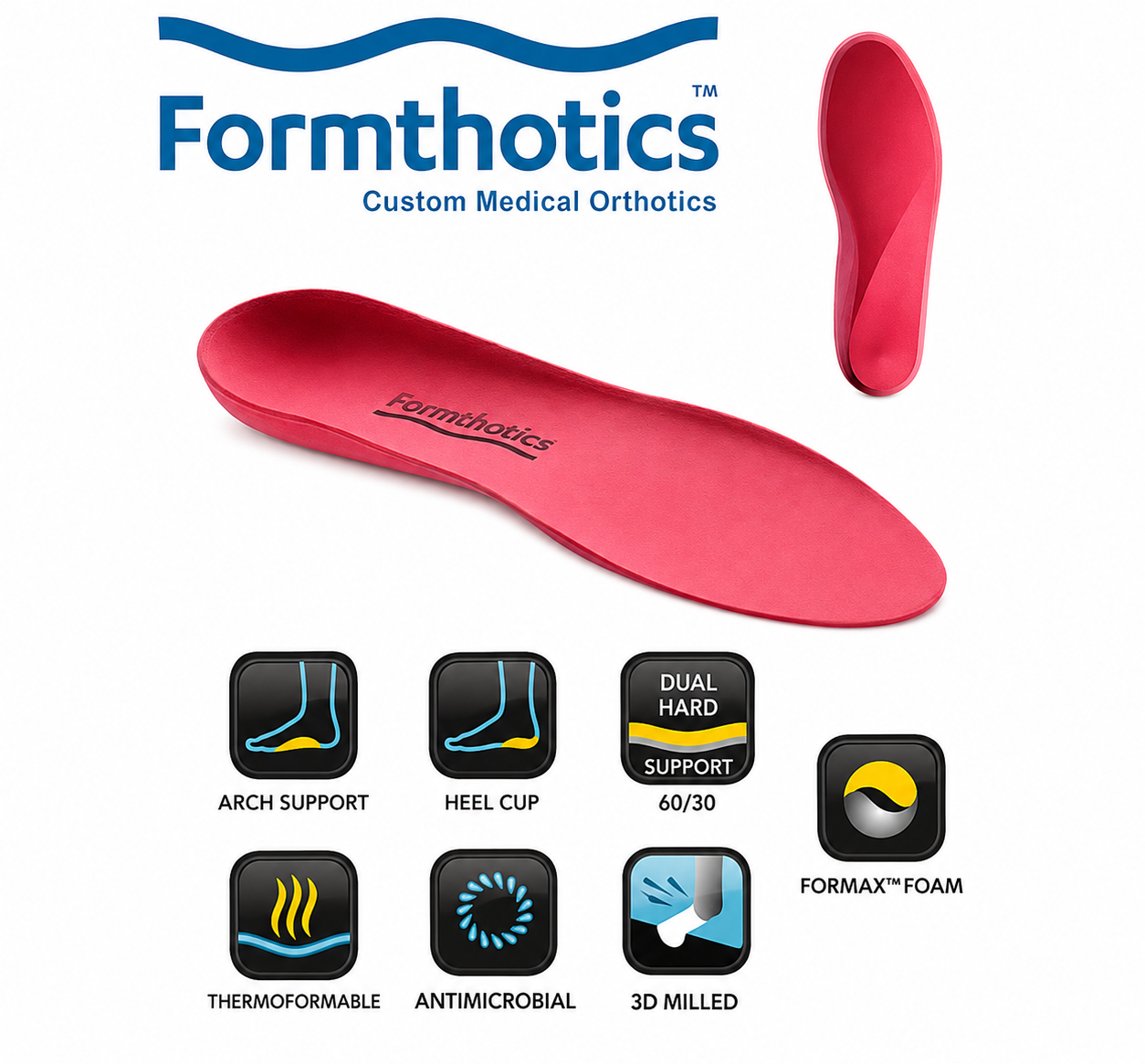
Formthotics Original Red Single Hard Full Length: Features, Fit and Fitting Guide
Learn what the Formthotics Original Red Single Hard orthotic does, who it may suit, how professional heat moulding works, which shoes fit it and how to break it in safely.
Quick answer: The Formthotics Original Red Single Hard Full Length is the firmest, highest-density model in the Formthotics range. It is a durable, lightweight, full-length orthotic designed to sit directly under the foot and provide strong biomechanical support, particularly where repetitive impact is a consideration. Because this is a hard, heat-mouldable medical orthotic, the best model, size and fitting method should be chosen with a podiatrist or other qualified health professional.
This guide explains what the red Formthotics orthotic is, how it differs from a soft comfort insole, which shoes are more likely to accommodate it, how professional heat moulding works and how to introduce it gradually. You can order online from Actimed Australia for Australia-wide delivery or visit our Osborne Park, Perth showroom for product assistance.
Formthotics Original Red at a glance
- Design: full-length, single-density orthotic
- Firmness: hard; the highest-density Formthotics model
- Shape: deep heel cup with longitudinal, lateral and transverse arch contours
- Fit: thermoformable for professional customisation in the shoe
- Colour: red
- Actimed sizes: X-Small to X-Large; confirm live availability on the product page
What is the Formthotics Original Red Single Hard Full Length?
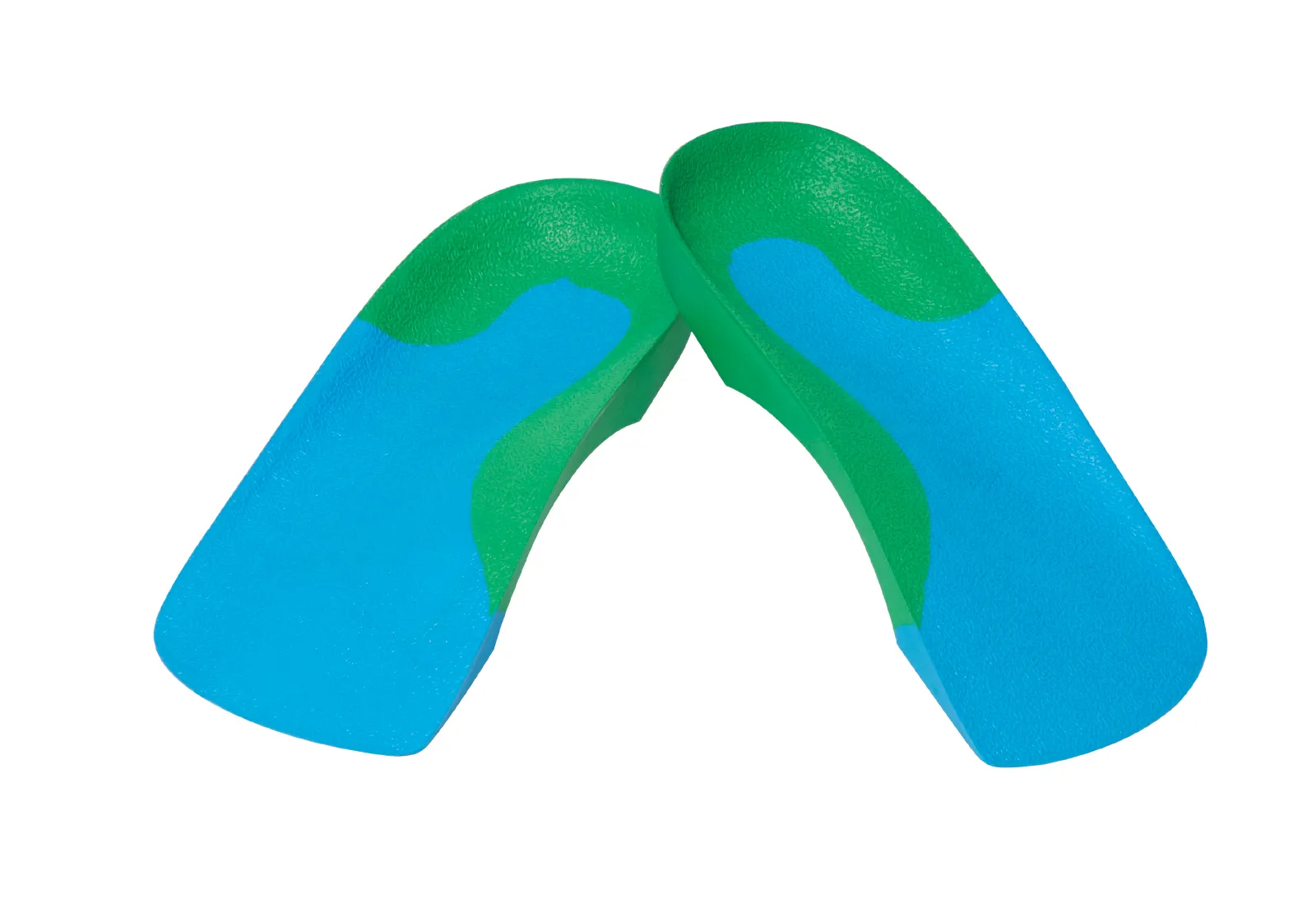
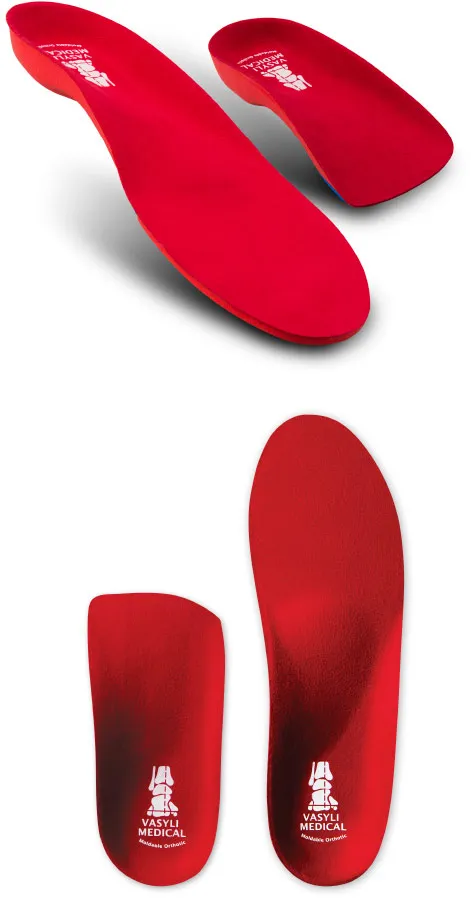
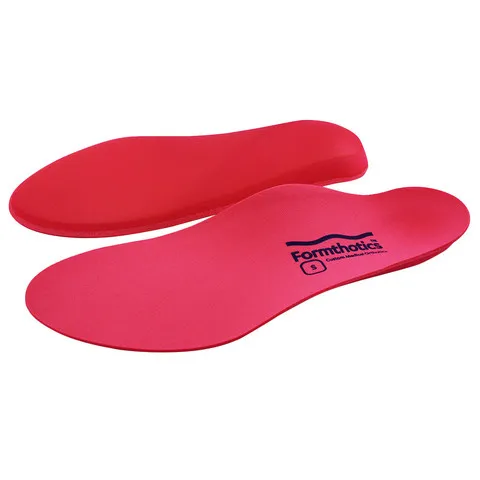
It is a full-length medical orthotic made from a single layer of high-density thermoformable foam. “Single Hard” describes its one-layer, firm construction, while “Full Length” means it extends from the heel to the forefoot rather than stopping at three-quarter length.
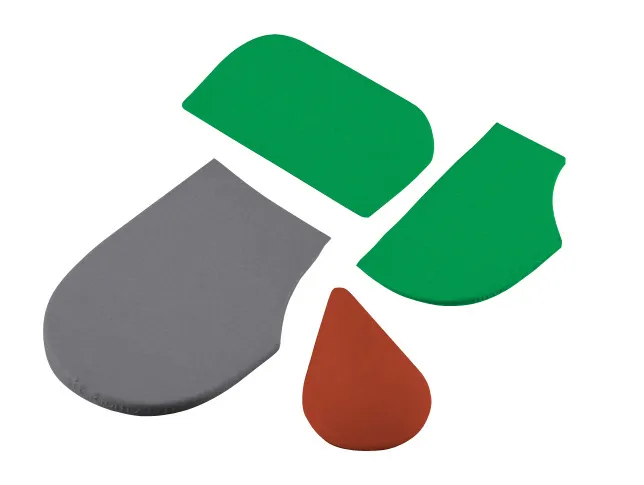
Actimed describes the Original shape as the foundation of the Formthotics range. Its deep heel cup surrounds the calcaneus, or heel bone, while its contoured form supports the longitudinal, lateral and transverse arches of the foot. Formthotics identifies Original Single Hard as its hardest and highest-density model and positions it for greater biomechanical support where the orthotic is exposed to high repetitive impact.
Key features and what they mean
| Feature | What it means in practical terms |
|---|---|
| Hard, high-density construction | A firmer feel and greater resistance to deformation than a soft cushioning insole. |
| Full-length profile | Continuous coverage through the shoe, but it requires enough internal depth and toe-box space. |
| Deep heel cup | A shaped cradle around the heel, designed to provide three-dimensional support. |
| Multi-arch contour | A form that follows the foot's longitudinal, lateral and transverse arch regions. |
| Thermoformable foam | A trained clinician can heat mould the orthotic in the shoe to follow the individual foot shape. |
| Lightweight and durable | Built for repeated use without the bulk of some rigid devices. |
Who might consider this hard orthotic?
A clinician may consider the Original Red when a person needs a firmer, full-length device and the selected footwear has enough space. The manufacturer specifically highlights repetitive-impact situations. That may make the model relevant to some active people, workers who spend long periods on their feet or patients whose assessment indicates a need for stronger biomechanical support.
Firm does not automatically mean better. The appropriate density depends on your symptoms, foot shape, skin health, activity, footwear and clinical goals. Someone who needs more cushioning, has sensitive feet or wears low-volume shoes may need a different model. An orthotic should not be selected by diagnosis or pain location alone.
Hard orthotic versus soft insole
| Question | Formthotics Original Red Single Hard | Typical soft comfort insole |
|---|---|---|
| Main emphasis | Firm biomechanical support | Cushioning and pressure comfort |
| Feel underfoot | Firm and contoured | Softer and more compressible |
| Customisation | Heat mouldable by a trained professional | Usually used as supplied |
| Best choice | When clinical assessment supports a harder device | When cushioning is the primary goal |
How professional heat moulding works
Formthotics foam is designed to be heated and moulded in the shoe. The manufacturer says professional customisation can be completed in approximately three minutes in a clinic or store using the recommended heating equipment. The clinician checks the model, size, shoe space and foot position, then evaluates comfort and walking after moulding.
Do not improvise with an oven, microwave, hair dryer or other home heat source. Excess heat can damage the material or create an unsuitable shape. Ask a trained health professional about fitting and any clinical modifications.
How to fit a full-length Formthotics orthotic in a shoe
- Start with the right shoe. Choose a supportive shoe with adequate width and depth, a secure lace or hook-and-loop fastening and, ideally, a removable factory liner.
- Remove the existing insert. Stacking the orthotic over a thick factory liner can make the shoe too tight.
- Check the size before trimming. The orthotic should sit snugly and flat, with the heel fully seated. If it appears too large, first check whether the smaller size is correct.
- Only adjust the forefoot when appropriate. Formthotics advises that the distal, or toe, end may be carefully trimmed if needed. Do not trim the heel because this can affect how it sits and its rearfoot stability.
- Check the foot inside the shoe. There should be no crowding, heel lift, pinching or rubbing. Walk briefly and reassess.
Which shoes are most compatible?
Full-length orthotics are usually easier to accommodate in walking shoes, trainers, work shoes and boots with removable liners and adjustable fastenings. Tight court shoes, shallow slip-ons and footwear with a narrow or tapered toe box may not have enough room. If full length will not fit, ask a clinician whether a lower-volume or three-quarter-length orthotic is more suitable.
How to break in new Formthotics
Your shoes and body may feel different when you first use a firm orthotic. Formthotics recommends allowing an adjustment period and suggests about one hour of wear each day during the first three to seven days. Follow the individual plan provided by your clinician and increase time only while comfortable.
| Stage | Practical approach |
|---|---|
| First few days | Use for short, low-impact periods and check your skin and comfort after removal. |
| If comfortable | Increase wear gradually according to your clinician's advice. |
| Higher-impact activity | Introduce only after you are comfortable during everyday walking and the fit has been checked. |
| Pain or skin changes | Stop use and seek advice if there is pain, blistering, bruising, persistent redness, numbness or new symptoms. |
How do you know the orthotic fits correctly?
A suitable fit should feel secure in the shoe without sliding, curling or crowding the toes. The heel should remain seated, the shoe should fasten normally and there should be enough room for your foot. A firm contour may feel unfamiliar, but sharp pain, strong pressure, numbness, blisters or lasting skin marks are not signs to “push through”. Stop and have the fit reviewed.
Custom orthotics or Formthotics: what is the difference?
A fully custom orthotic is made from an individual prescription and foot model or scan. Formthotics begins as a prefabricated, anatomically contoured device, but its foam can be heat moulded and clinically modified. This creates a middle option between a generic flat insole and a laboratory-made custom device. Which route is appropriate depends on the complexity of the problem, footwear, treatment goals and professional assessment.
Care and replacement
- Remove the orthotics periodically so the shoes and inserts can air dry.
- Wipe gently with a damp cloth when needed; do not soak them.
- Allow them to dry naturally away from heaters and direct high heat.
- Check for compression, splits, distortion, uneven wear or a change in comfort.
- Arrange a review if your symptoms, activity, footwear or health changes. Formthotics suggests ongoing review at approximately six or twelve months where clinically appropriate.
Frequently asked questions
What is Formthotics Original Red Single Hard used for?
It is designed to provide firm, full-length biomechanical support. Formthotics particularly identifies it for situations involving high repetitive impact. A clinician should decide whether that level of firmness suits your feet, footwear and goals.
Is Formthotics Original Red the hardest model?
Yes. The manufacturer describes Original Single Hard, which is red, as the hardest and highest-density Formthotics model.
Are hard orthotics better than soft insoles?
Not automatically. Hard orthotics emphasise control and support, while softer insoles generally emphasise cushioning. The better option is the one that matches your clinical needs, sensitivity, activity and shoes.
Do I remove my shoe's original insole first?
Yes, when it is removable. Formthotics advises removing existing shoe inserts, insoles or orthotics before fitting the device. This creates space and helps the Formthotics sit correctly.
Can I trim Formthotics Original Red?
If the correct size remains slightly long, the toe end may be carefully trimmed to fit. Do not trim the heel. Ask a practitioner or Actimed for fitting help if you are uncertain.
Can I heat mould Formthotics at home?
Professional fitting is recommended. The manufacturer specifies clinical fitting with its heating system; uncontrolled household heat may damage the orthotic or produce an unsuitable shape.
How long does heat moulding take?
Formthotics says its thermoformable technology allows professional customisation in approximately three minutes in a clinic or store.
How long does it take to adjust to Formthotics?
Adjustment varies. Formthotics suggests about one hour of wear each day during the first three to seven days, with gradual progression and individual clinical advice.
Can I wear Formthotics all day?
Many people build toward longer daily wear, but do not begin with a full day unless your clinician advises it. Increase wear gradually and only while your feet and skin remain comfortable.
Can Formthotics be used in any shoe?
No. The full-length model needs adequate depth, width and toe-box room. Supportive shoes with removable liners and secure fastenings are usually easier to fit than shallow or tight slip-on footwear.
Can I move one pair between different shoes?
You can move them between compatible shoes, but each shoe must have enough space and allow the orthotic to sit flat and secure. Recheck comfort every time you change footwear.
Are full-length orthotics better than three-quarter length?
Neither length is universally better. Full-length designs provide continuous coverage but need more shoe space. Three-quarter-length designs may fit lower-volume shoes more easily. Selection should match the shoe and treatment goal.
Can these orthotics help plantar fasciitis, flat feet or heel pain?
Foot orthoses may be included in treatment plans for several foot and lower-limb presentations, but this specific hard model is not suitable for every person or every diagnosis. Seek assessment for persistent pain rather than choosing an orthotic from symptoms alone.
Can orthotics help knee or back pain?
Some people are prescribed foot orthoses as part of care for lower-limb problems, but knee or back pain has many possible causes. An orthotic is not a diagnosis or a guaranteed treatment; consult a qualified professional.
What should I do if the orthotics hurt?
Stop using them if they cause pain, blistering, bruising, numbness or persistent redness. Have the shoe, size, fitting and clinical selection reassessed before trying again.
How long do Formthotics last?
There is no single replacement date because wear depends on body weight, activity, footwear, fitting and frequency of use. Inspect them regularly and arrange review if the shape, wear pattern, comfort or your health changes.
What sizes does Actimed Australia stock?
The Actimed product page lists X-Small, Small, Medium, Large and X-Large. Check the live page for current availability and use the sizing guide rather than guessing from colour or appearance.
Where can I buy Formthotics Original Red in Australia?
Buy the Formthotics Original Red Single Hard Full Length from Actimed Australia online for Australia-wide delivery. You can also visit Actimed at 25 Guthrie Street, Osborne Park, WA 6017.
Buy Formthotics Original Red from Actimed Australia
If a hard, full-length orthotic is appropriate for you, view current sizes and availability on the Formthotics Original Red Single Hard Full Length product page. Actimed is 100% Australian owned and operated, offers Australia-wide delivery and has an Osborne Park showroom for customers in Perth.
Need a firm, full-length heat-mouldable orthotic?
Check the live size options or speak with a qualified health professional about selection and fitting.
This article provides general product education and is not medical advice. Seek assessment for severe, persistent or worsening pain, acute injury, skin breakdown, numbness, circulation concerns or uncertainty about whether a hard orthotic is appropriate. People with diabetes, reduced sensation or circulation problems should obtain professional advice before using a new foot orthosis.
Actimed Australia
25 Guthrie Street, Osborne Park WA 6017
Phone: 08 9244 3982
Email: sales@actimed.com.au