

Heel Spurs: Symptoms, Causes, Treatment & Support Products
Heel spurs are a common cause of heel pain and can affect your ability to walk, exercise, and enjoy everyday activities. Learn about the causes, symptoms, diagnosis, treatment options, recovery tips, and products that may help support your comfort and mobility.
What Are Heel Spurs?
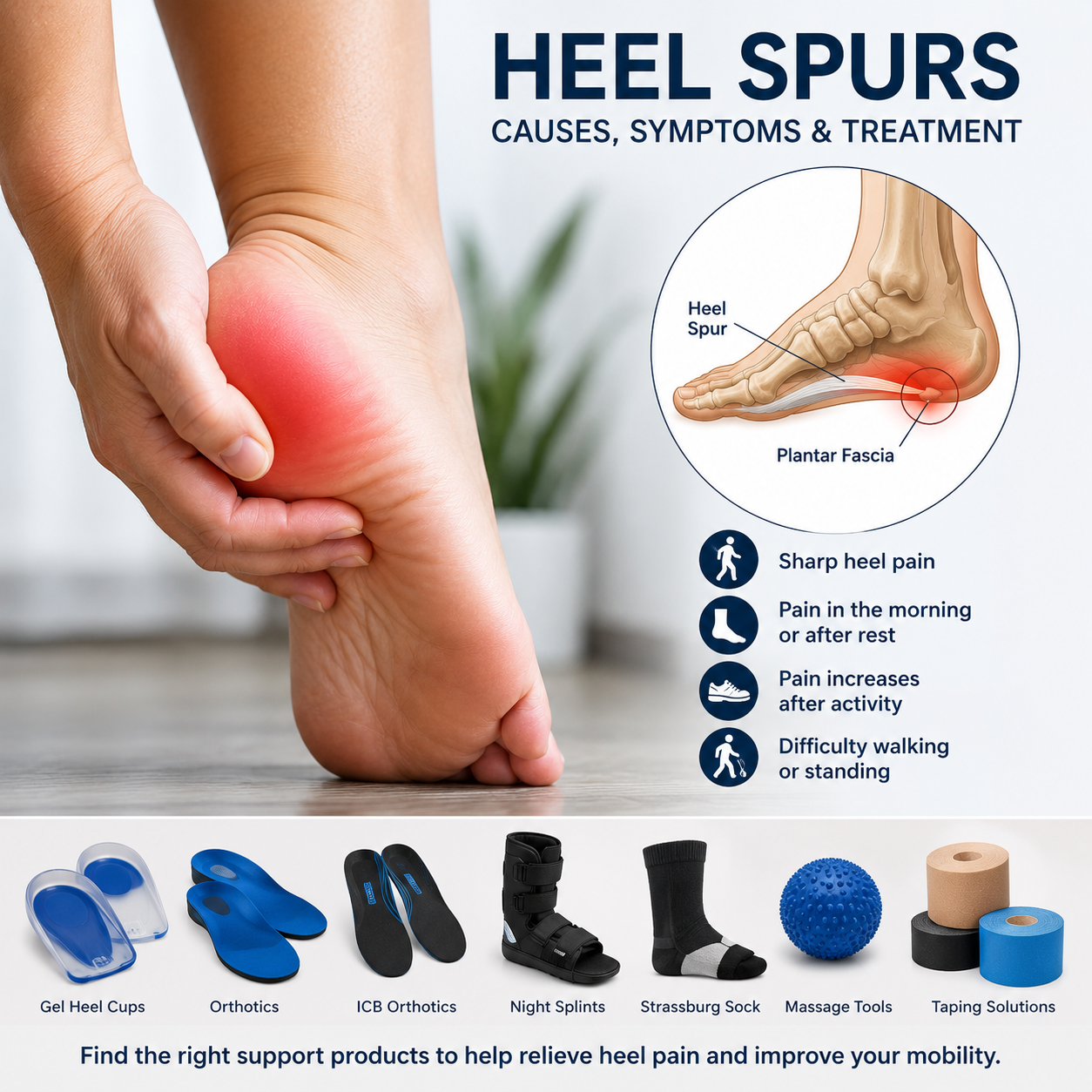
A heel spur is a small calcium deposit that develops on the underside or back of the heel bone (calcaneus). Over time, repeated stress on the foot can cause this bony growth to form where tendons or the plantar fascia attach to the heel.
Many people assume that the heel spur itself is responsible for the pain. However, this is not always the case. Many heel spurs cause no symptoms at all and are only discovered during an X-ray performed for another reason. Pain usually occurs because the surrounding soft tissues become irritated or inflamed rather than from the bone spur itself.
Heel spurs often develop gradually over many months and are commonly associated with plantar fasciitis or Achilles tendon problems.
What Causes Heel Spurs?
Heel spurs usually develop after repeated stress on the foot.
Common causes include:
- Plantar fasciitis
- Tight calf muscles
- Repetitive walking or running
- High-impact sports
- Flat feet
- High foot arches
- Poorly fitting footwear
- Obesity
- Long periods of standing
- Age-related wear and tear
People who spend long hours standing, such as nurses, retail workers, teachers, warehouse staff, and tradespeople, may be at increased risk.
Common Symptoms of Heel Spurs
Symptoms may include:
- Sharp pain underneath the heel
- Pain with the first steps in the morning
- Heel pain after sitting for long periods
- Tenderness when pressing on the heel
- Pain after exercise
- Swelling around the heel
- Difficulty walking long distances
- Discomfort when standing on hard floors
- Reduced activity due to ongoing heel pain
Some people experience constant discomfort, while others only notice symptoms after activity.
Heel Spurs vs Plantar Fasciitis
Heel spurs and plantar fasciitis are closely related but are not the same condition.
Plantar fasciitis involves irritation or degeneration of the plantar fascia, while a heel spur is a small bony growth that develops over time.
Many people have both conditions together, although either condition can occur on its own.
Because the symptoms are similar, it is important to obtain an accurate diagnosis from a healthcare professional.
How Are Heel Spurs Diagnosed?
Your healthcare professional may perform:
- Physical examination
- Assessment of your walking pattern
- Review of your symptoms
- X-rays
- Occasionally ultrasound or MRI if another injury is suspected
X-rays are useful because they can clearly show whether a heel spur has developed.
Treatment for Heel Spurs
Treatment depends on the severity of your symptoms.
Many people improve without surgery.
Treatment may include:
- Rest
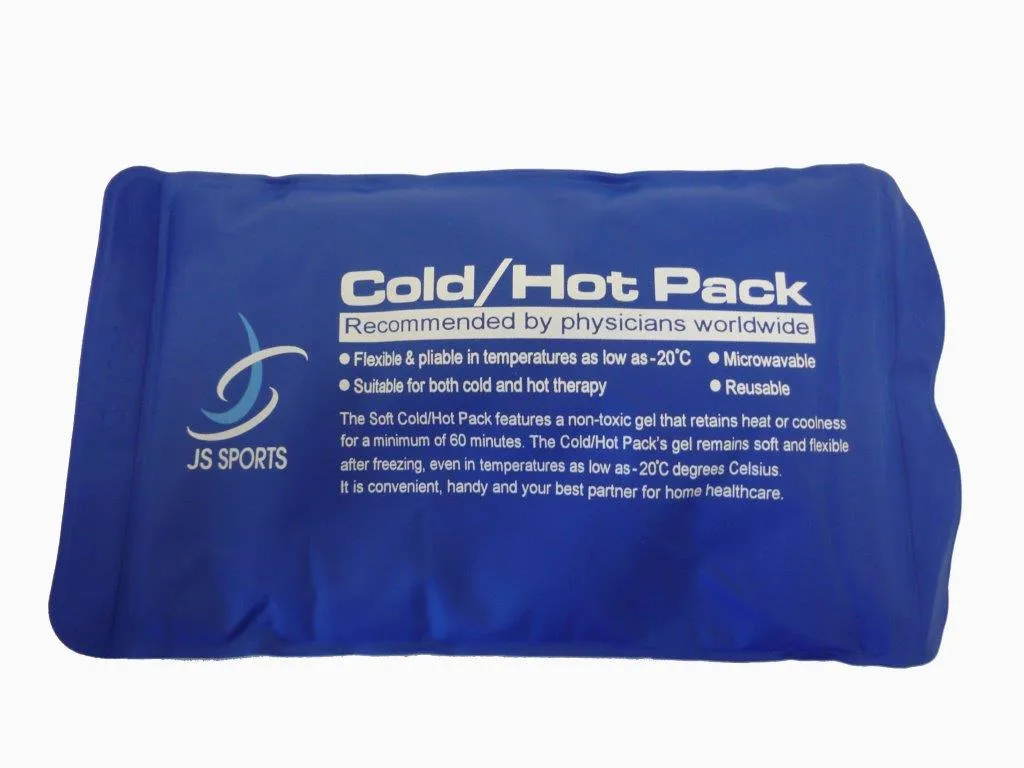
- Ice therapy
- Stretching exercises
- Supportive footwear
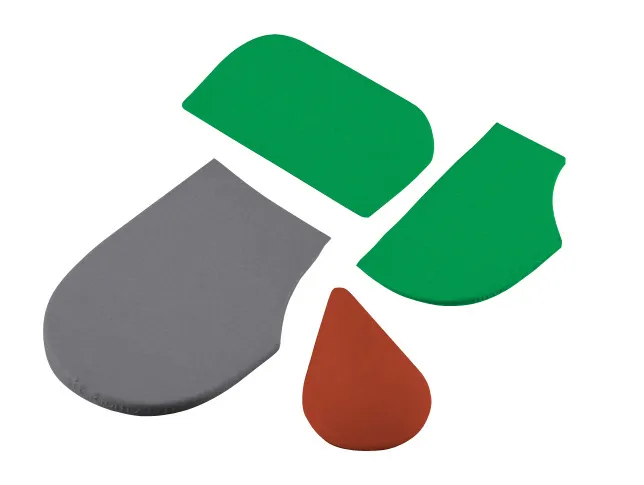
- Orthotics
- Heel cushions
- Night splints
- Physiotherapy
- Activity modification
Surgery is rarely required and is usually considered only after conservative treatment has failed.
Products That May Help Support Heel Spur Pain
Gel Heel Cups
Gel Heel Cups help absorb shock and reduce pressure beneath the heel. They provide extra cushioning during walking and standing, making them one of the most commonly recommended products for heel discomfort.
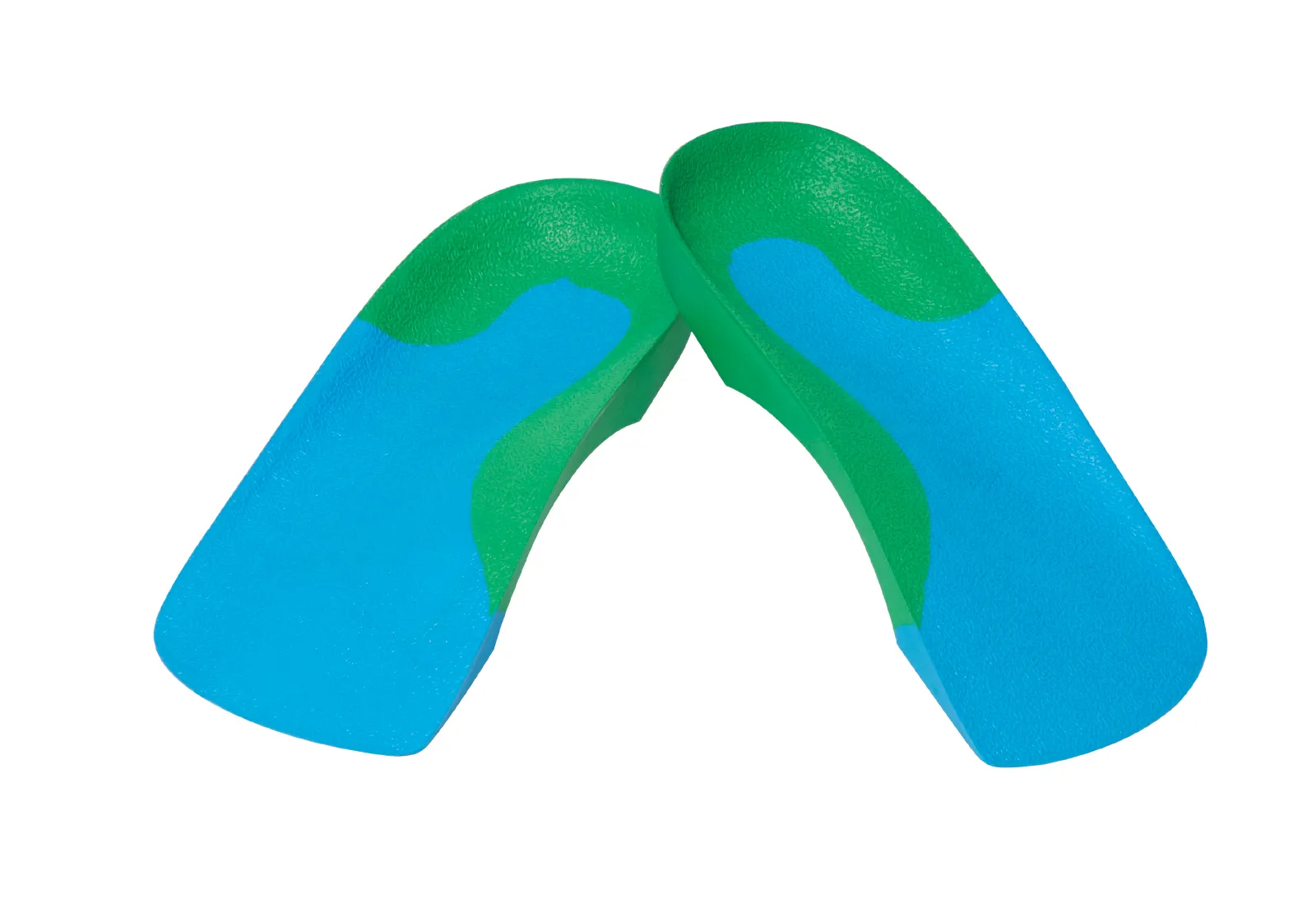
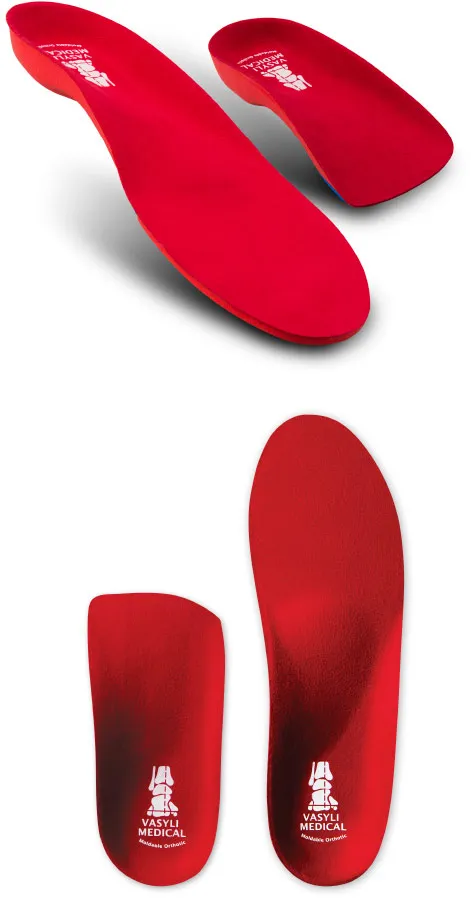
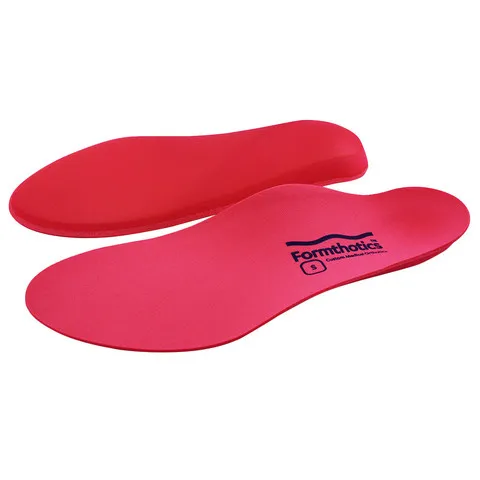
Orthotics help improve foot alignment and reduce stress placed on the heel and plantar fascia. They can also improve weight distribution across the foot during walking.
ICB Orthotics provide customised biomechanical support to improve foot function and reduce abnormal loading that may contribute to heel pain.
Arch Supports help maintain the natural shape of the foot and reduce excessive strain placed on the plantar fascia and heel.
The Strassburg Sock gently stretches the plantar fascia overnight. Many people experience reduced morning heel pain after consistent use.
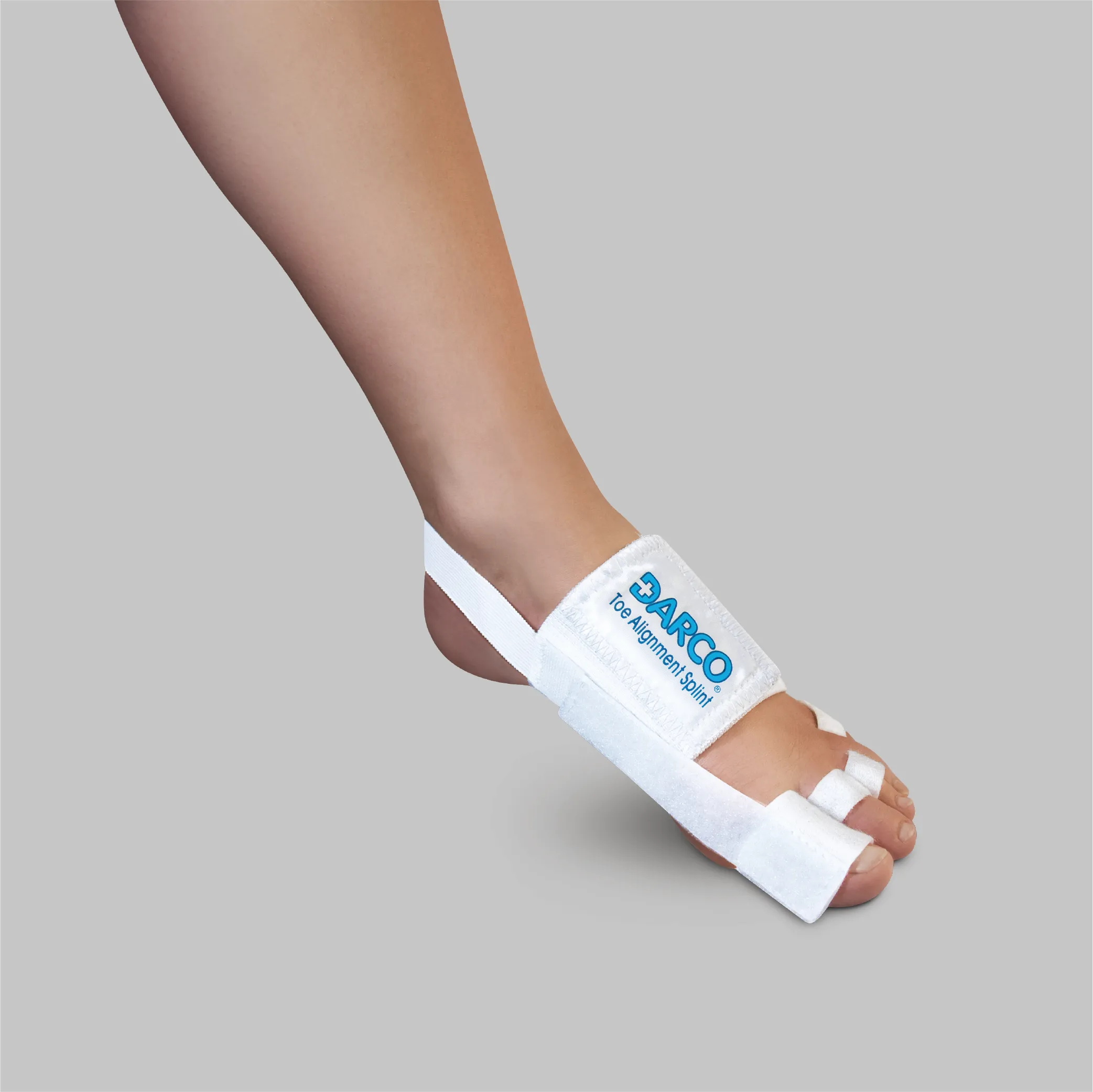
Night splints help maintain a gentle stretch of the plantar fascia and Achilles tendon while sleeping, reducing morning stiffness and discomfort.
The Malleo Immobil Night Splint provides additional support during overnight stretching and may help improve flexibility over time.
The Pediroller Exercise Aid is designed for self-massage and stretching of the plantar fascia. Regular use may assist with improving flexibility and reducing muscle tightness.
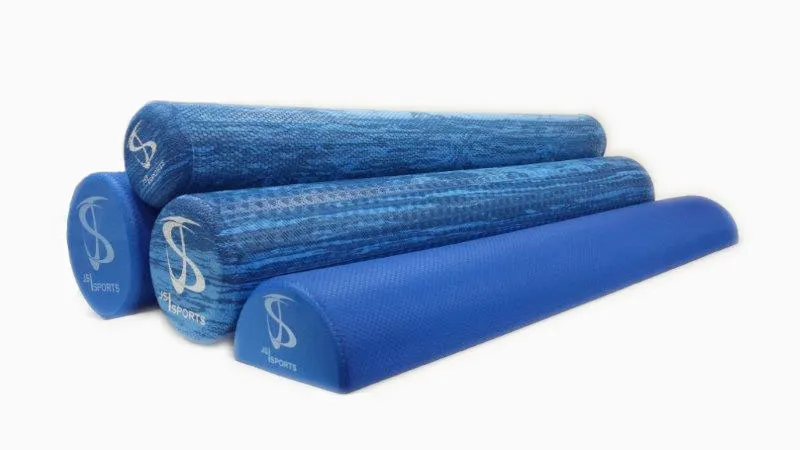
Massage rollers can help release tight calf muscles and improve circulation, reducing stress placed on the heel during walking.
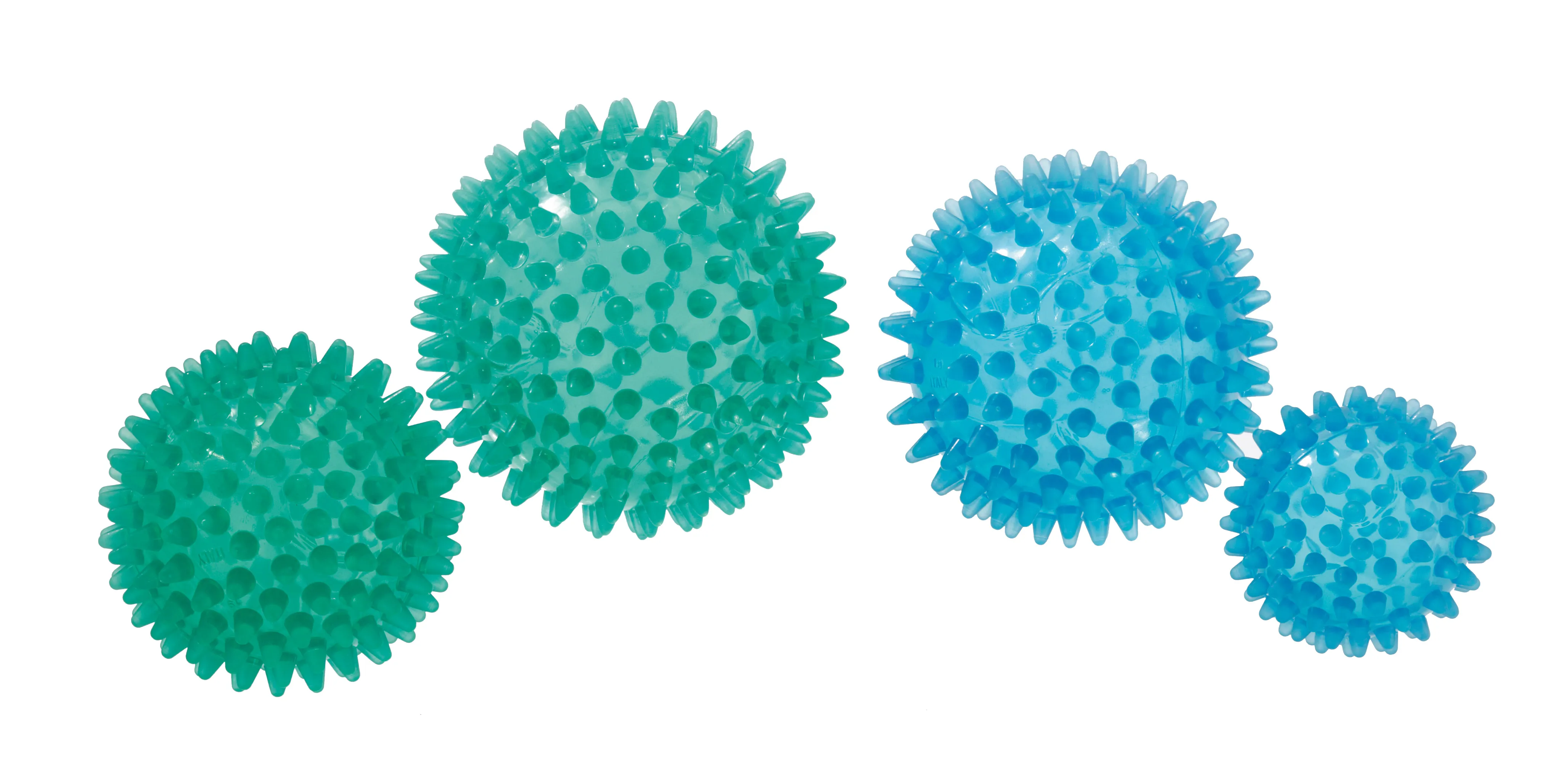
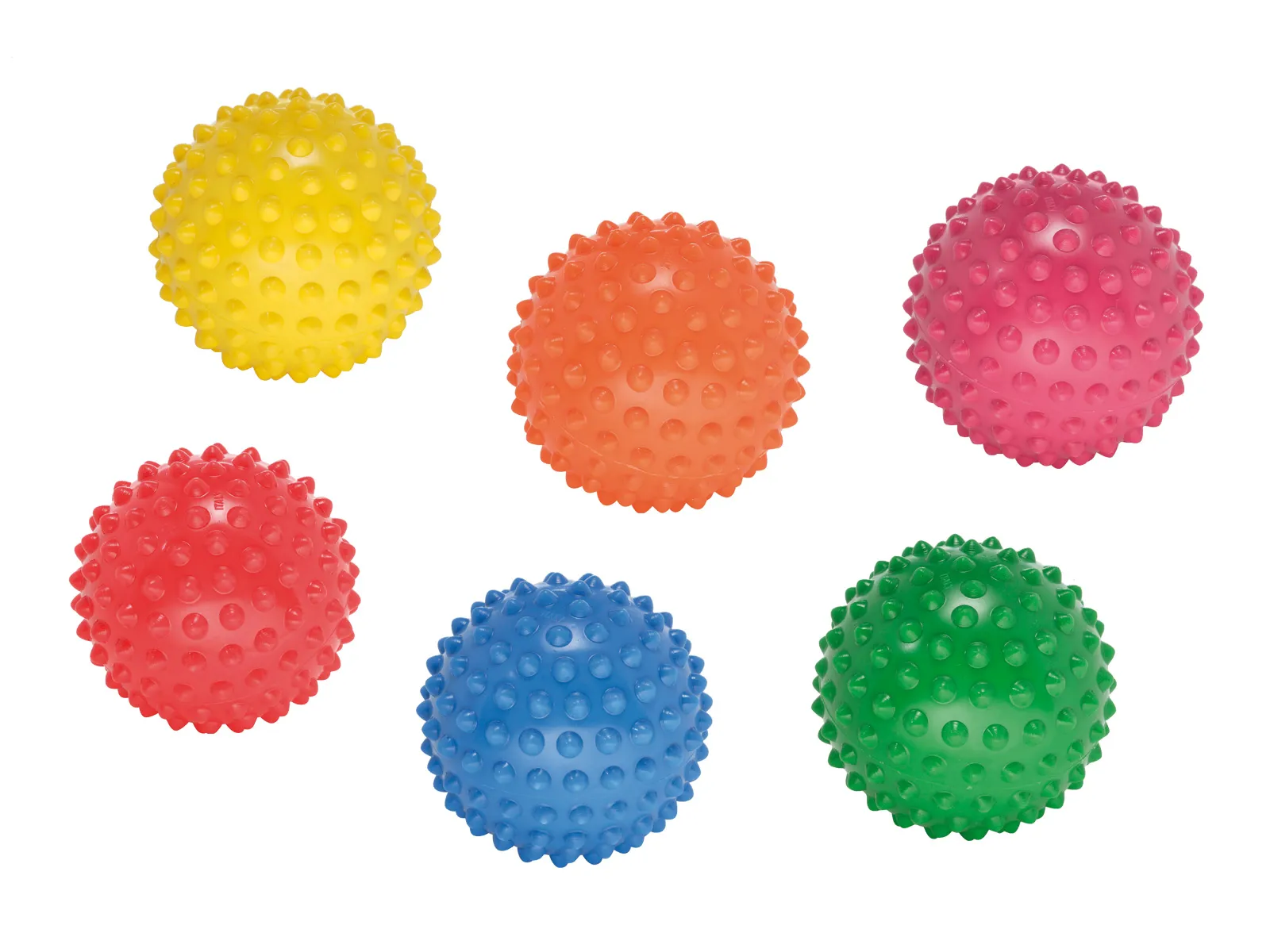
Rolling the sole of the foot over a Reflex Ball may help massage tight tissues and provide temporary relief from discomfort.
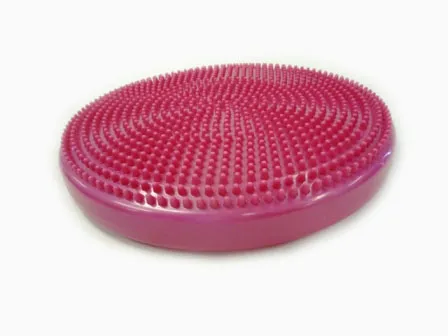
The Bene-Feet Mat stimulates the soles of the feet through textured pressure points, encouraging circulation and helping relieve tired, aching feet.
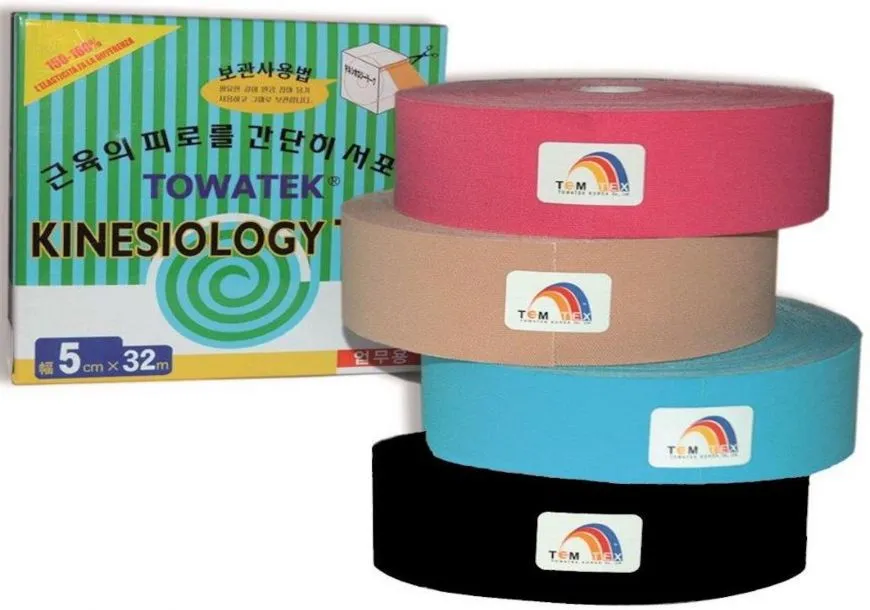
Kinesiology tape may help support the plantar fascia during activity while allowing natural movement. It is commonly used by athletes and healthcare professionals.
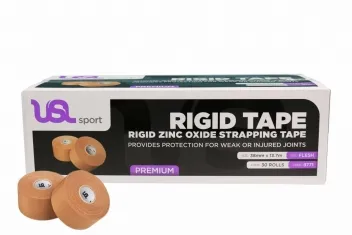
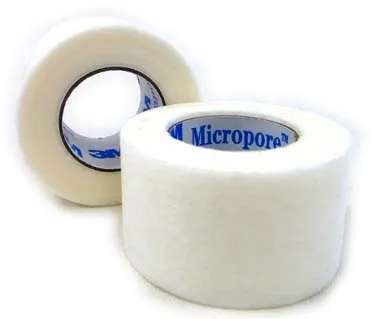
Rigid Strapping Tape provides temporary support by limiting excessive foot movement during daily activities and sport.
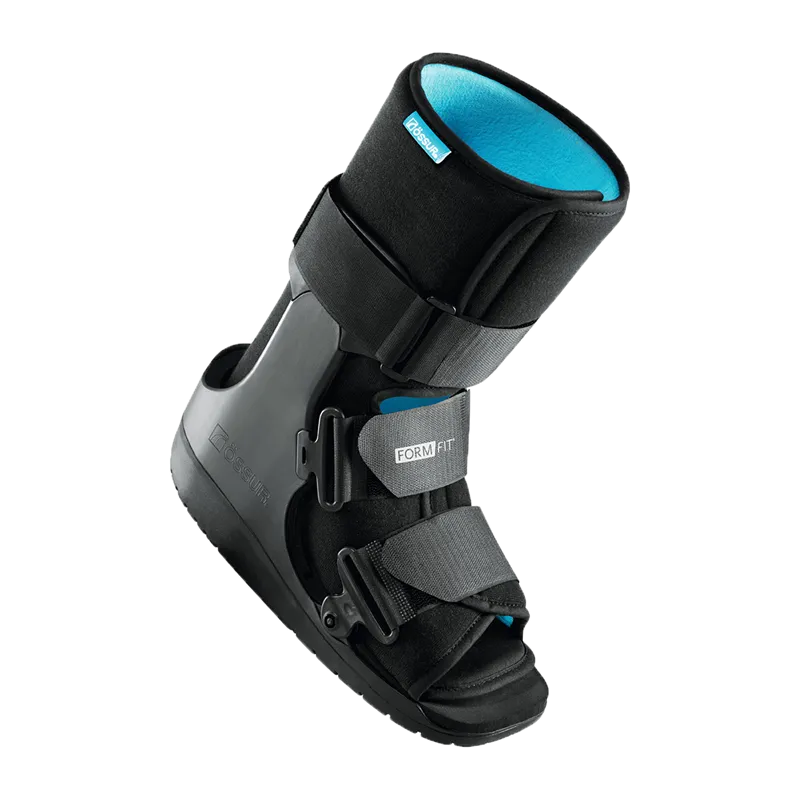
In severe cases or when recommended by your healthcare professional, a Moon Boot may be used to temporarily reduce pressure on the heel and allow irritated tissues to recover.
Self-Care Tips
You may also benefit from:
- Wearing supportive shoes
- Avoiding barefoot walking on hard surfaces
- Stretching your calves daily
- Maintaining a healthy weight
- Gradually increasing exercise
- Replacing worn footwear
- Resting after prolonged activity
Frequently Asked Questions
Can heel spurs go away on their own?
Heel spurs usually remain, but symptoms often improve with appropriate treatment and supportive footwear.
Are heel spurs the same as plantar fasciitis?
No. Heel spurs are bony growths, while plantar fasciitis affects the plantar fascia. However, they often occur together.
Can I walk with a heel spur?
Many people can still walk, although supportive footwear and orthotics may improve comfort.
Do heel spurs always need surgery?
No. Most people recover successfully using conservative treatment without surgery.
Can orthotics help heel spurs?
Yes. Orthotics may improve foot alignment and reduce stress placed on the heel.
Are heel cups effective?
Gel Heel Cups help cushion the heel and reduce pressure during walking.
How long does recovery take?
Many people notice improvement within several weeks to a few months, depending on the severity of symptoms and adherence to treatment.
When should I see a healthcare professional?
Seek professional advice if heel pain persists, becomes severe, or interferes with daily activities.
Heel Spur Products Available at Actimed Australia
Actimed Australia supplies a wide range of products that may help support people managing heel pain and heel spurs, including Orthotics, ICB Orthotics, Arch Supports, Gel Heel Cups, Night Splints, Strassburg Socks, Massage Rollers, Bene-Feet Mats, Kinesiology Tape, Moon Boots, and other rehabilitation products.
Browse our range online or contact our team for assistance in selecting products suitable for your needs.
Disclaimer: This article is intended as general information only and should not replace professional medical advice. If you experience ongoing heel pain or suspect a heel spur, consult a qualified healthcare professional for assessment and appropriate treatment.