








Ankle Brace vs Moon Boot: Which One Should You Choose ?
Compare ankle braces and moon boots, learn when each may be considered, how they should fit and which type of ankle support may suit your recovery
Ankle injuries can range from mild soreness and swelling to ligament damage, fractures and post-surgical recovery. Choosing between an ankle brace and a moon boot depends on the type and severity of the injury, how much movement needs to be restricted and the advice provided by your healthcare professional.
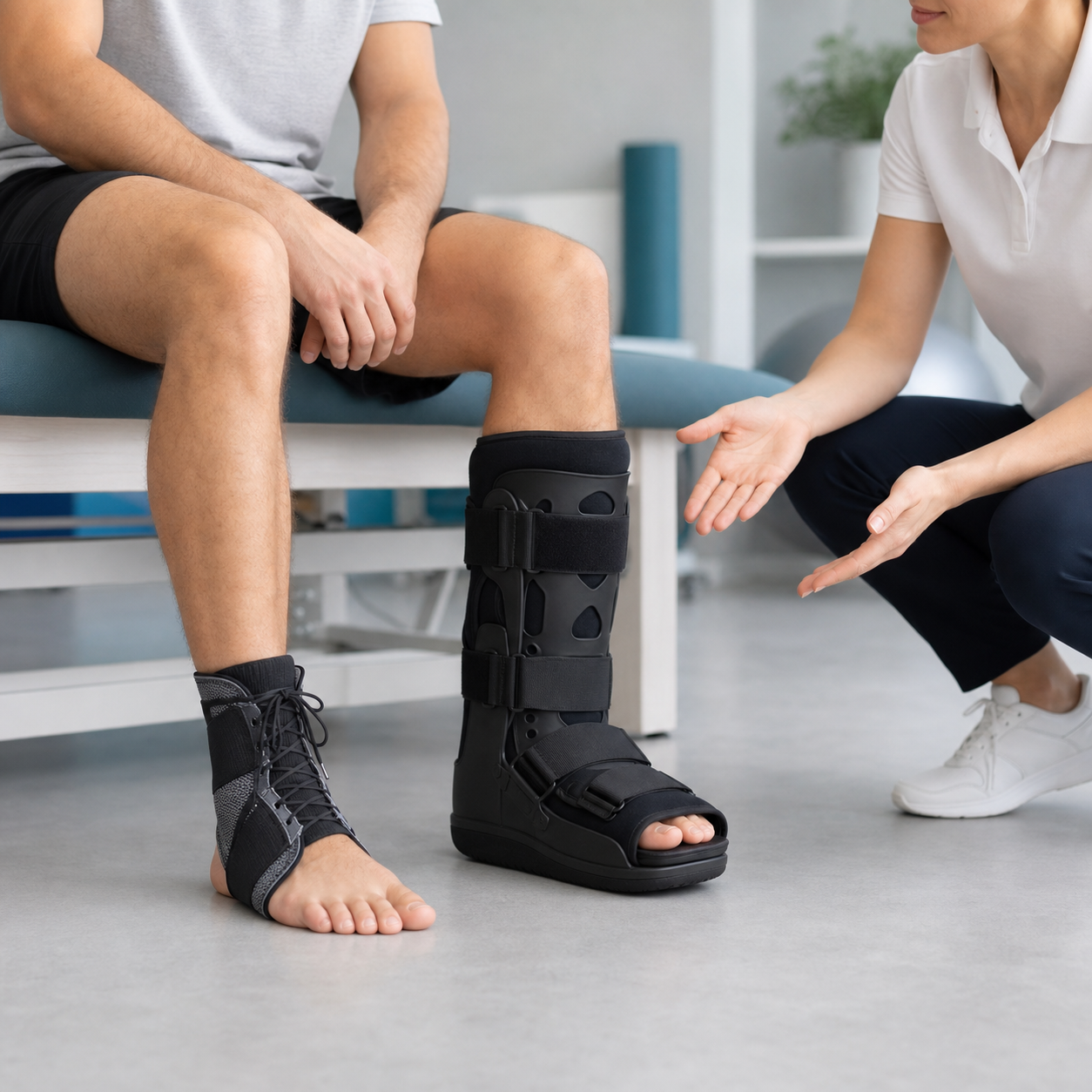
An ankle brace generally provides compression and stability while allowing some movement. A moon boot—also known as a walking boot, CAM boot or ankle walker—provides substantially more protection and movement restriction.
This guide explains the differences between ankle braces and moon boots, when each type may be considered, how they should fit and what to check before purchasing.
Ankle brace vs moon boot: quick comparison
| Feature | Ankle brace | Moon boot |
|---|---|---|
| Support level | Light to high, depending on the design | High |
| Ankle movement | Allows partial or controlled movement | Significantly restricts movement |
| Common uses | Mild or moderate sprains, swelling and instability | More significant sprains, selected fractures and post-surgical recovery |
| Construction | Elastic fabric, straps, laces or reinforced side supports | Rigid frame, padded liner, adjustable straps and rocker sole |
| Fits inside footwear | Many models can fit inside suitable footwear | No |
| Suitable during sport | Some braces may be suitable during activity | Generally not intended for sport |
| Weight bearing | Depends on the injury | Only according to professional instructions |
The correct option depends on the diagnosed injury, required stability, activity level, swelling and advice from the treating healthcare professional.
What is an ankle brace?
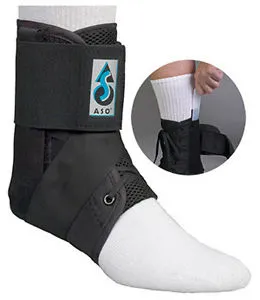
An ankle brace is a wearable support designed to provide compression, stability or controlled restriction around the ankle joint. Depending on the design, it may offer light everyday support or stronger mechanical stabilisation.
An ankle brace may help:
- Provide compression around the ankle
- Support the joint following a previous injury
- Reduce excessive side-to-side movement
- Support a gradual return to walking or sport
- Provide stability during rehabilitation
- Support people experiencing recurring ankle instability
Actimed Australia supplies elastic ankle sleeves, adjustable braces and structured ankle stabilisers for different levels of support. Browse ankle braces and supports online .
What is a moon boot?
A moon boot is a rigid orthopaedic device designed to protect and stabilise the foot, ankle and lower leg. It may also be referred to as a:
- CAM boot
- Walking boot
- CAM walker
- Ankle walker
- Fracture boot
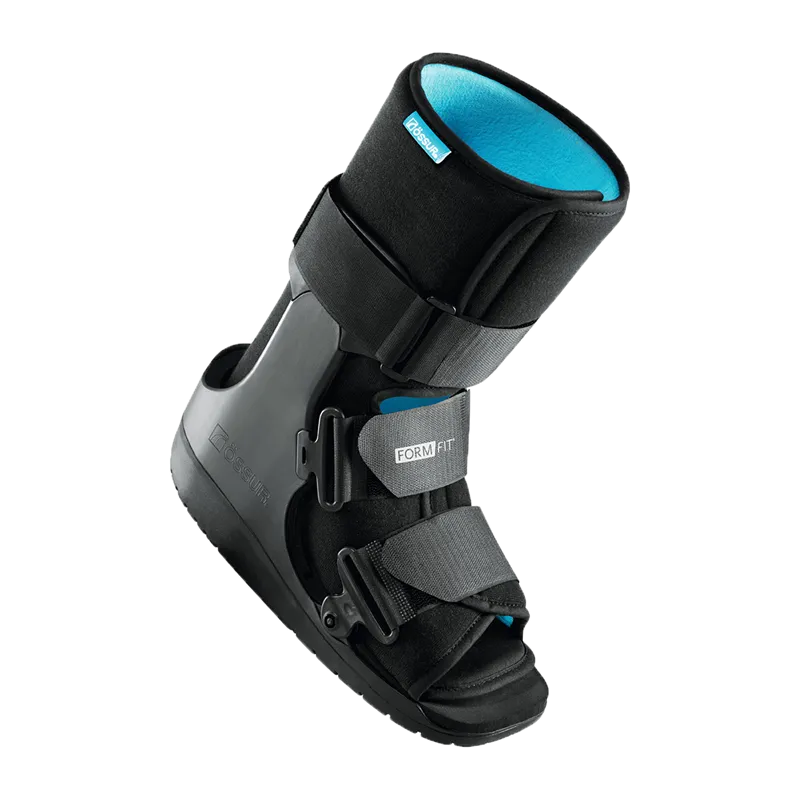
A typical moon boot includes a rigid outer frame, padded inner liner, adjustable fastening straps and a rocker-style sole. Unlike most ankle braces, it substantially limits ankle movement and provides a higher level of protection.
Actimed Australia supplies high-top and low-top moon boots from established orthopaedic brands. Browse moon boots and ankle walkers online .
Types of ankle supports
1. Elastic ankle sleeves
Elastic or compression sleeves are generally the lightest type of ankle support. They provide gentle compression while allowing a relatively high level of movement.
They may be considered for:
- Light everyday support
- Minor swelling
- General ankle soreness
- Support following a previous injury
- Selected walking, work or exercise activities
One available option is the JS Sports Elastic Ankle Support .
2. Strap-style ankle braces
Strap-style braces use adjustable fasteners around the ankle and foot. The straps allow the wearer to adjust the amount of compression and may provide more stability than a basic elastic sleeve.
The straps should feel secure without causing numbness, tingling, throbbing, increasing pain or changes in skin colour.
3. Lace-up ankle braces
Lace-up braces wrap closely around the ankle and allow the support level to be adjusted. Some designs also include crossing straps intended to provide additional side-to-side stability.
These braces may be considered when more support is required while controlled movement is still permitted.
4. Semi-rigid ankle stabilisers
Semi-rigid ankle stabilisers include reinforced side sections that help control excessive inward or outward movement. They provide more mechanical support than an elastic sleeve but are generally less restrictive than a moon boot.
Available options include:
Types of moon boots
1. Low-top moon boots
A low-top moon boot has a shorter frame that finishes closer to the ankle. It may be selected for certain foot, forefoot or lower-ankle conditions when controlled movement or immobilisation has been recommended.
One available option is the Össur Formfit Walker Low Top Moon Boot .
2. High-top moon boots
A high-top moon boot extends further up the lower leg. The taller frame generally provides greater control of the ankle and lower leg than a low-top model.
One available option is the Össur Formfit Walker High Top Moon Boot .
The correct boot height depends on the location and type of injury. Follow the recommendation provided by the treating healthcare professional.
When might an ankle brace be considered?
An ankle brace may be considered when controlled movement is permitted but additional compression or stability is required.
Common reasons for comparing ankle braces include:
- Mild or moderate ankle instability
- Support following a previous ankle sprain
- Recurring ankle weakness
- Support during selected sports or exercise
- Transitioning back to ordinary footwear
- Progressive rehabilitation under professional guidance
Mild or moderate ankle sprains
An ankle brace may provide additional support while injured ligaments recover. The appropriate brace will depend on the severity and location of the injury.
Recurring ankle instability
People who have previously sprained an ankle may experience ongoing weakness or instability. A structured brace may provide additional support during exercise, sport or activity on uneven ground.
Swelling and soreness
An elastic ankle sleeve may provide gentle compression around the joint. However, sudden, unexplained or severe swelling should be medically assessed.
Returning to activity
A healthcare professional may recommend an ankle brace during the transition from immobilisation to ordinary footwear and progressively increased activity.
When might a moon boot be recommended?
A moon boot may be recommended when the injured area requires more protection and movement restriction than an ankle brace can provide.
Depending on the diagnosis, a moon boot may be recommended for:
- Moderate or severe ankle sprains
- Selected stable fractures
- Stress fractures
- Significant soft-tissue injuries
- Recovery following foot or ankle surgery
- Injuries involving both the foot and ankle
- Conditions requiring controlled weight bearing
- Situations where ordinary footwear provides insufficient protection
Pain alone cannot determine whether a moon boot is appropriate. Similar symptoms may be caused by a sprain, fracture, tendon injury or another condition requiring a different treatment plan.
Ankle brace or moon boot: which is better?
Neither option is universally better. The correct support depends on the injury, the required level of protection and advice from the treating healthcare professional.
An ankle brace may be considered when:
- The injury has been assessed as mild or moderate
- Controlled ankle movement is encouraged
- You are returning to ordinary footwear or activity
- You require support for recurring ankle instability
- Compression is required rather than immobilisation
A moon boot may be considered when:
- The foot or ankle requires substantial protection
- Movement needs to be restricted
- A selected stable fracture has been diagnosed
- You are recovering from foot or ankle surgery
- Controlled weight bearing has been prescribed
Do not replace a prescribed moon boot with an ankle brace simply because the brace feels lighter or more comfortable. Follow the treatment and rehabilitation plan provided by your healthcare professional.
How to choose between an ankle brace and moon boot
Step 1: identify why support is required
Start by identifying the purpose of the support. You may require light compression, protection from side-to-side movement, support during activity or substantial movement restriction following an injury.
Step 2: determine how much movement is permitted
An elastic sleeve permits considerably more movement than a moon boot. A brace may suit a rehabilitation plan that encourages controlled movement, while a moon boot may be prescribed when movement needs to be restricted.
Step 3: confirm weight-bearing instructions
Wearing a moon boot does not automatically mean that full weight bearing is safe. Instructions may range from non-weight bearing to full weight bearing, depending on the diagnosed injury.
Step 4: consider footwear and daily activity
Many ankle braces can fit inside suitable footwear, while a moon boot replaces ordinary footwear on the affected side. Consider work requirements, walking distances, stairs, transport and the ability to apply and remove the support.
Step 5: check the exact sizing guide
Ankle-brace and moon-boot sizing is not universal. A medium in one product may differ from a medium in another. Always use the sizing chart supplied for the exact product.
How to measure for an ankle brace
- Read the sizing instructions for the exact ankle brace being considered.
- Check whether sizing is based on ankle circumference, heel circumference, shoe size or another measurement.
- Use a soft measuring tape and keep it flat against the skin.
- Do not pull the measuring tape excessively tight.
- Record the measurement in centimetres and compare it with the product chart.
- Do not assume that your usual clothing or shoe size will provide the correct brace size.
- Ask for assistance if your measurement falls between two sizes.
How should an ankle brace fit?
A correctly fitted ankle brace should feel secure and remain in position during normal movement. It should not cause:
- Numbness or tingling
- Increasing pain
- Coldness in the foot or toes
- Significant swelling
- Deep pressure marks
- Pale or blue skin
Recheck the fit if swelling changes throughout the day. Damaged fasteners, stretched materials or worn supports may also affect the fit.
How should a moon boot fit?
- Open all straps and loosen the padded liner.
- Place the foot fully inside the boot.
- Position the heel firmly against the back of the boot.
- Smooth the liner around the foot, ankle and lower leg.
- Fasten the straps according to the manufacturer’s instructions.
- Confirm that the foot feels stable without painful pressure or restricted circulation.
Check the boot and skin regularly for:
- Rubbing
- Blisters
- Pressure marks
- Numbness or tingling
- Cold, pale or blue toes
- Increasing swelling
- Loosening as swelling reduces
- Damage to the liner, straps or sole
People with diabetes, poor circulation, reduced sensation or fragile skin should obtain professional fitting advice and monitor the skin carefully.
Can you walk in a moon boot?
Many moon boots have a rocker-style sole designed for controlled walking. However, whether you can safely place weight on the affected foot depends on the diagnosed injury and instructions from the treating healthcare professional.
Weight-bearing instructions may include:
- Non-weight bearing
- Touch weight bearing
- Partial weight bearing
- Weight bearing as tolerated
- Full weight bearing
Use crutches or another mobility aid when instructed. Do not assume that wearing a moon boot automatically makes full weight bearing safe.
Managing the height difference caused by a moon boot
A moon boot can create a height difference between the affected and unaffected sides. This may alter the way a person stands or walks.
Where professionally appropriate, a shoe-balancing accessory such as the Evenup Moon Boot Shoe Balancer may help reduce the height difference.
Can you sleep in a moon boot?
Whether a moon boot should be worn while sleeping depends on the injury, product and treatment instructions. Some people may be directed to wear the boot continuously, while others may be permitted to remove it during sleep or rest.
Follow the instructions provided by the treating healthcare professional. Do not remove a prescribed boot overnight unless you have been advised that it is safe.
Can you drive while wearing a moon boot?
A moon boot may interfere with safe pedal control and emergency braking. Speak with your healthcare professional, vehicle insurer and relevant licensing authority before returning to driving.
Common ankle-support buying mistakes
- Choosing by shoe size alone: always use the exact product-specific sizing chart.
- Selecting maximum support by default: a more rigid product may unnecessarily restrict movement.
- Ignoring left, right or universal fitting: check the individual product specifications.
- Overtightening the straps: tighter does not necessarily mean more supportive.
- Using a brace instead of obtaining a diagnosis: persistent pain, swelling or instability should be assessed.
- Assuming every brace is suitable for sport: match the product to the intended activity.
- Walking fully in a moon boot without instructions: follow the prescribed weight-bearing level.
- Ignoring changing swelling: recheck the fit throughout recovery.
Supporting your ankle recovery
An ankle brace or moon boot may be only one part of the recovery process. Depending on the diagnosed injury, a rehabilitation plan may also include:
- Activity modification
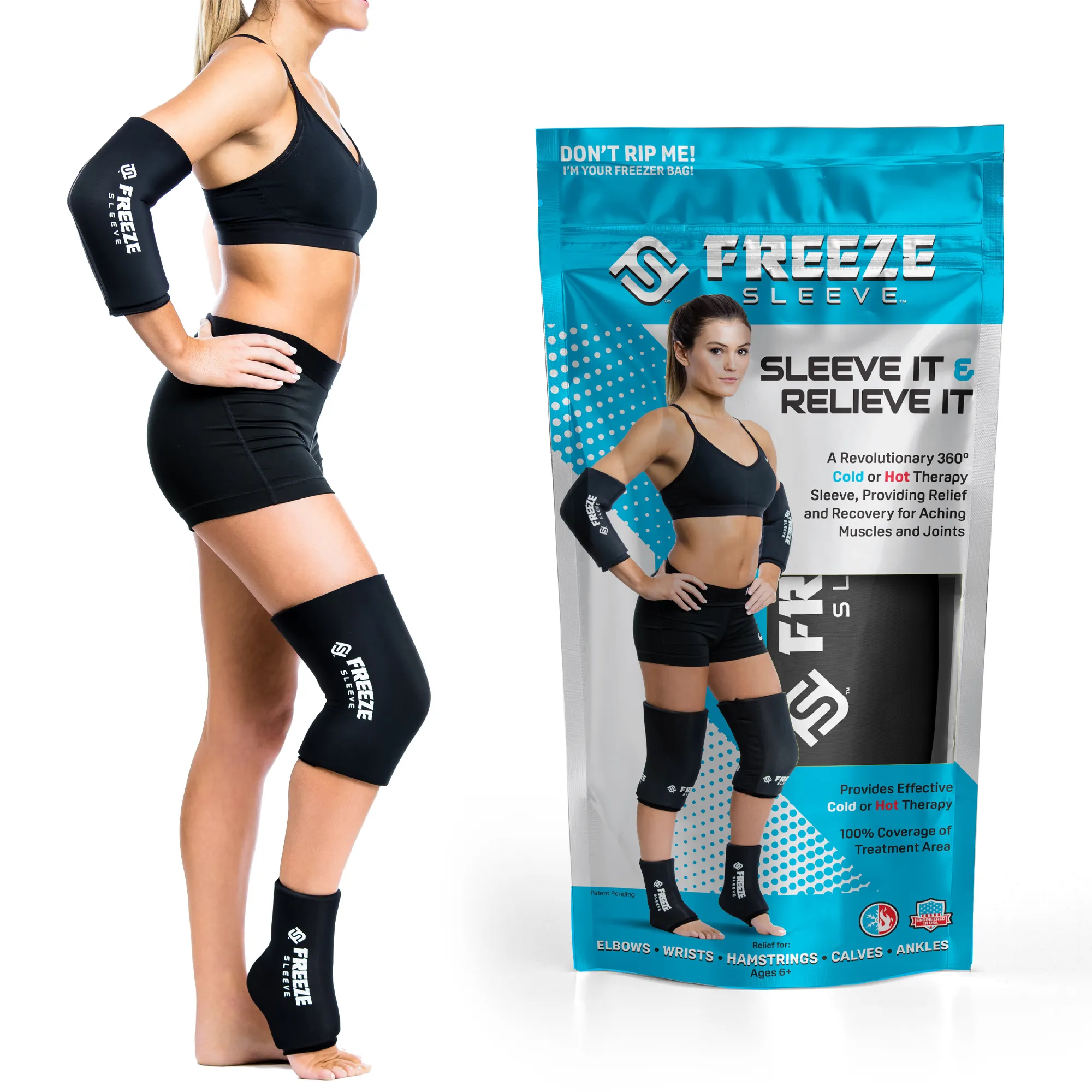
- Cold therapy
- Compression and elevation
- Mobility exercises
- Progressive strengthening
- Balance and proprioception exercises
- Supportive footwear
- A gradual return to work or sport
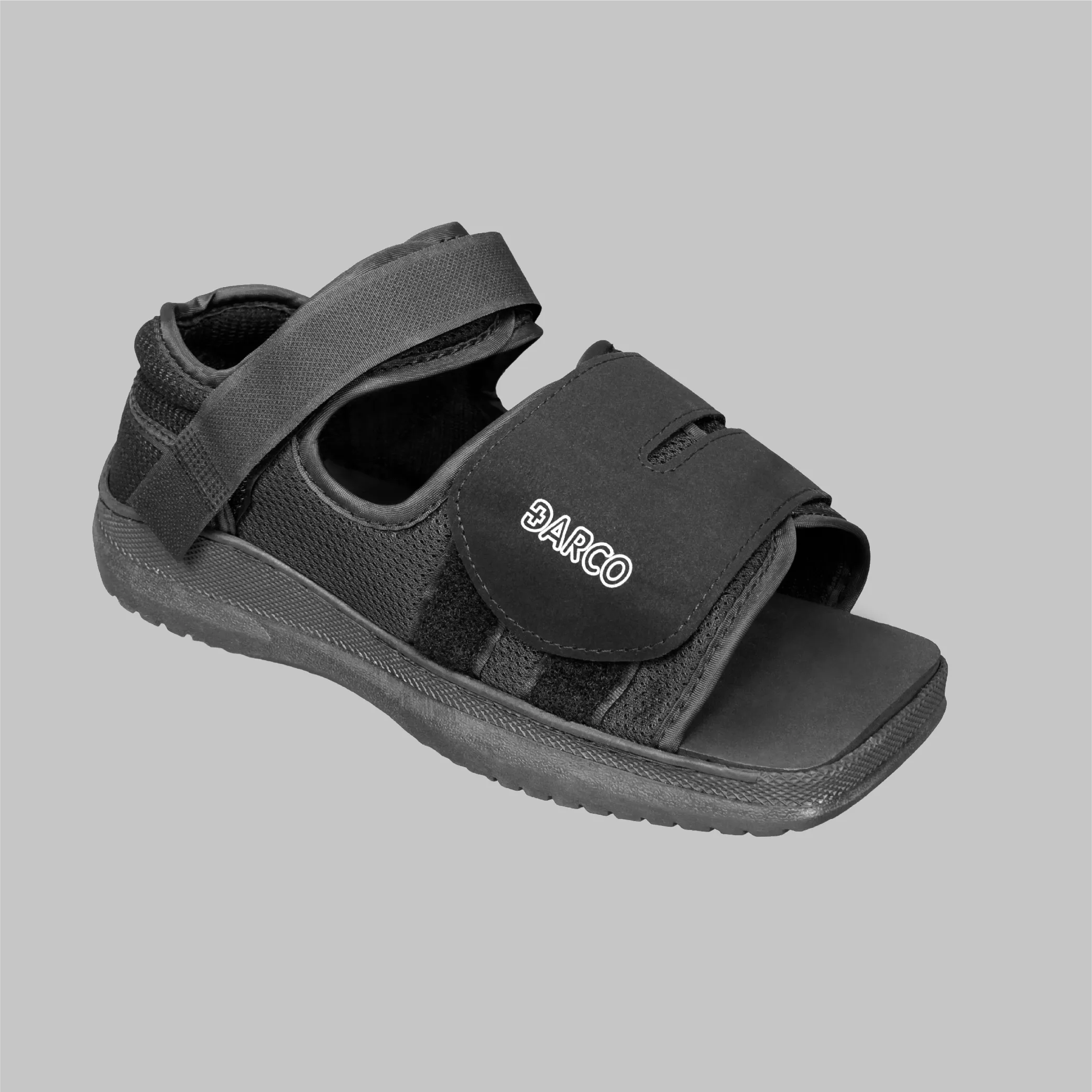
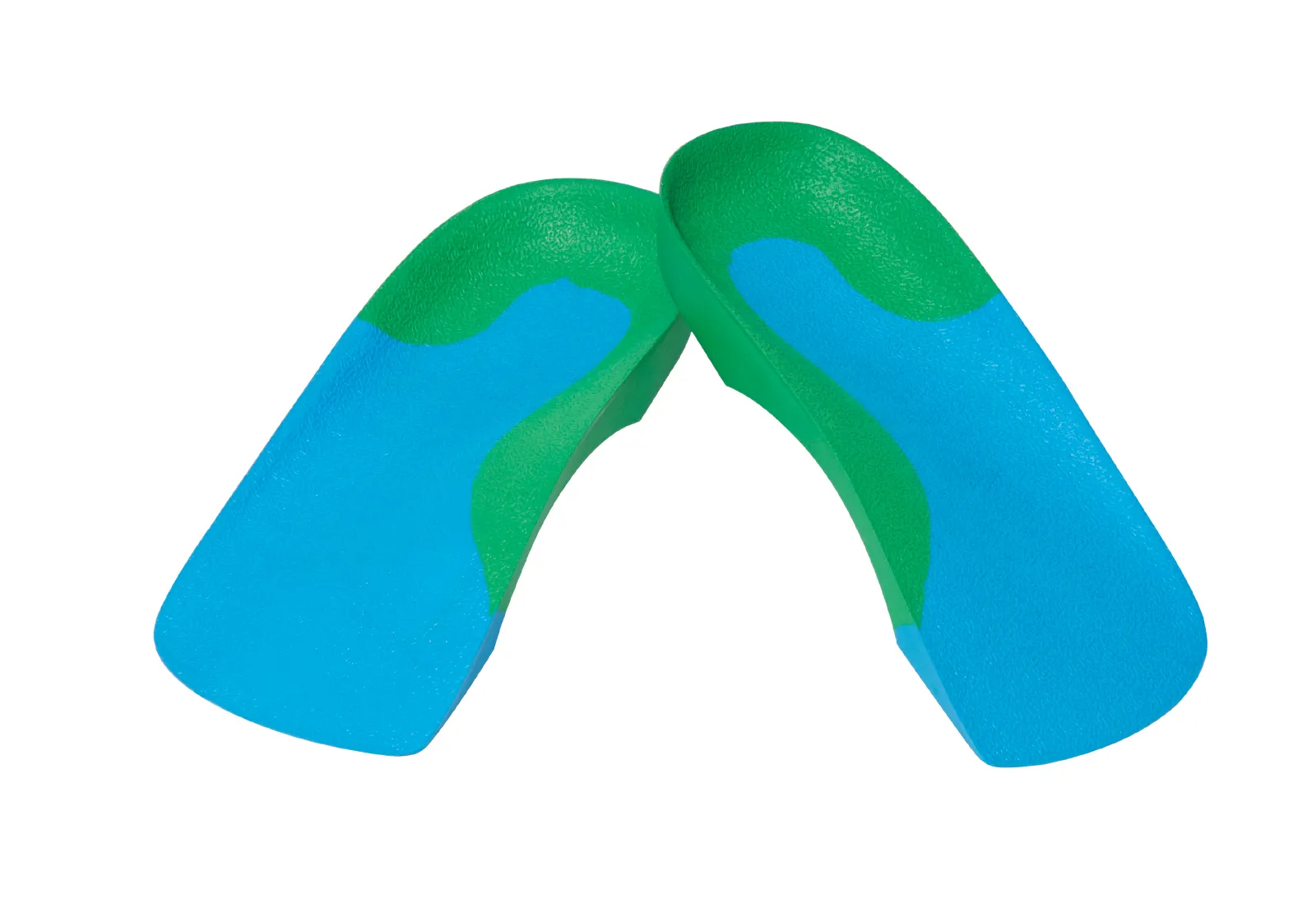
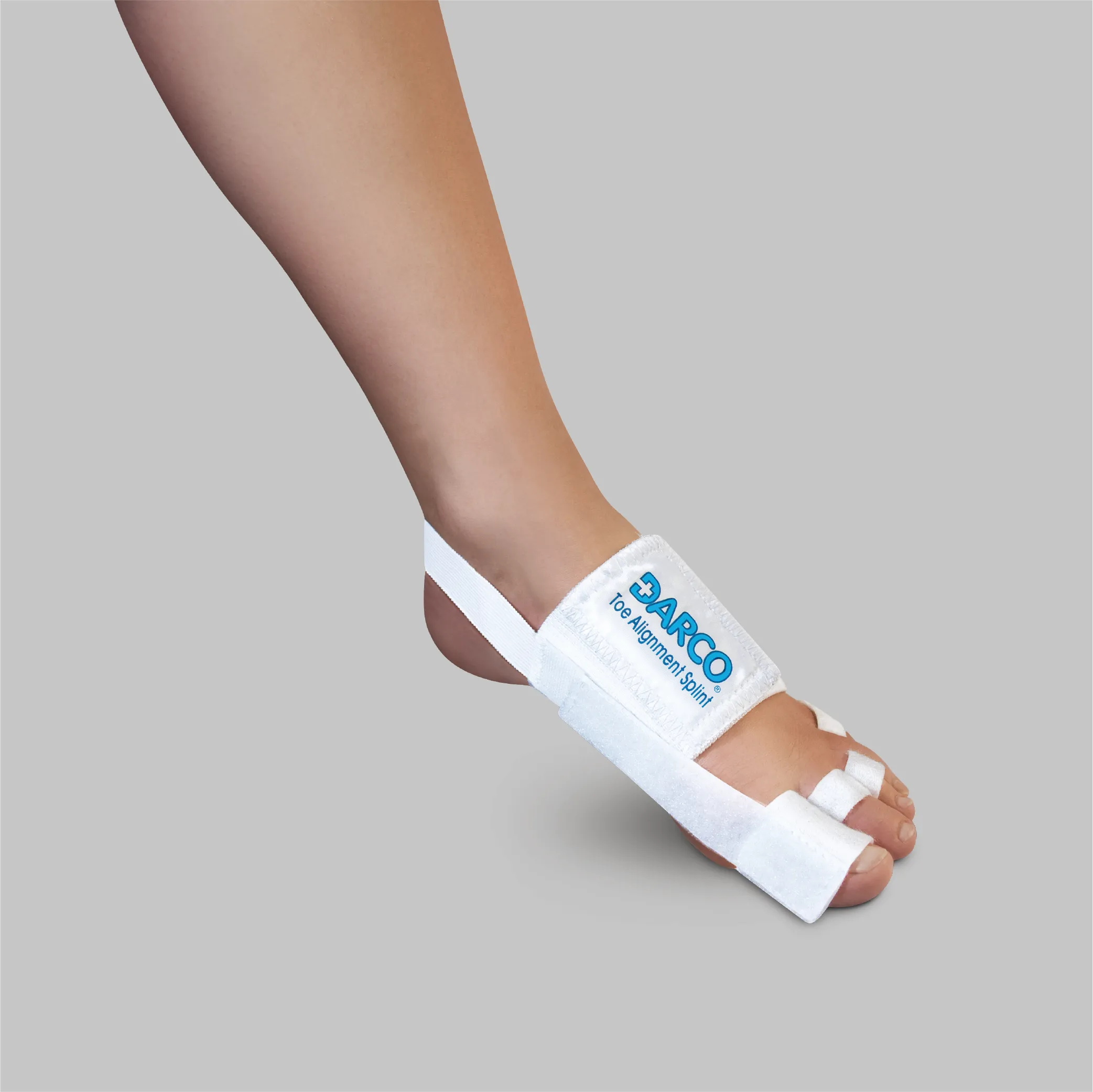
Actimed Australia also supplies ankle cold-compression products , Darco footwear and rehabilitation products .
When should you seek medical advice?
Seek prompt medical assessment if:
- You cannot place weight on the injured foot
- The ankle or foot appears deformed
- You heard a snap, crack or pop during the injury
- Pain or swelling is severe
- Symptoms are worsening rather than improving
- There is significant bruising
- You have pain directly over a bone
- The foot becomes numb, cold, pale or blue
- You have an open wound
- You have diabetes, reduced sensation or poor circulation
- You are unsure whether the injury is a sprain or fracture
Obtain prompt medical advice if an ankle brace or moon boot causes increasing pain, pressure sores, persistent numbness, unusual swelling or changes in toe colour or temperature.
Sudden calf pain, chest pain, breathing difficulty or shortness of breath requires urgent medical attention.
Frequently asked questions
Select a question to view the answer. These general answers do not replace advice for your specific injury.
Is a moon boot the same as an ankle brace?
No. An ankle brace generally provides compression or controlled stability while allowing some movement. A moon boot has a rigid frame and provides substantially greater movement restriction and protection.
Is a moon boot better for a sprained ankle?
Not every ankle sprain requires a moon boot. Some sprains may be managed with controlled movement, rehabilitation and an appropriate brace, while more significant injuries may require temporary immobilisation. The diagnosis and severity should guide the choice.
Can I buy a moon boot without seeing a doctor?
Moon boots can be purchased directly, but professional assessment is strongly recommended. An undiagnosed fracture, tendon injury or significant ligament injury may require imaging, weight-bearing restrictions or follow-up care.
Do I need a prescription for an ankle brace or moon boot?
Many braces and moon boots can be purchased without a prescription. However, a clinician should assess a significant or undiagnosed injury and advise the correct support level, size and wear schedule.
How tight should an ankle brace be?
An ankle brace should feel secure without causing numbness, tingling, throbbing, increasing pain, coldness or skin-colour changes. Loosen or remove it and seek advice if circulation or sensation appears affected.
How many hours a day should I wear an ankle brace?
There is no universal daily limit. Wear time depends on the product, condition, activity and professional recommendation. Some braces are intended mainly for activity, while others may be used for longer periods.
When should I not wear an ankle brace?
Do not continue wearing a brace that causes worsening pain, pressure sores, numbness, coldness or colour changes. Seek individual advice if you have diabetes, poor circulation, reduced sensation, fragile skin or an undiagnosed injury.
Why does my ankle brace hurt?
Pain may result from incorrect size, excessive tightness, poor positioning, changing swelling or a product that does not suit the injury. Remove or loosen the brace and seek fitting or medical advice rather than pushing through new or worsening pain.
Should an ankle brace be worn over or under a sock?
Some braces can be worn over a thin, close-fitting sock to reduce rubbing, while others are designed for direct skin contact. Follow the manufacturer's instructions and avoid wrinkles or seams that create pressure points.
Can I wear an ankle brace while working?
It may be possible if the brace is appropriate for the condition and compatible with safe footwear and work duties. Ask a clinician or workplace safety representative when the role involves climbing, heavy lifting, uneven ground or machinery.
Can I run or play sport in an ankle brace?
Some ankle braces are designed for sport, but wearing one does not mean the injury is ready for running or competition. Return to activity should be based on recovery, strength, balance and professional guidance.
Is an ankle brace better than taping?
Neither option is best for everyone. A reusable brace offers consistent fitting and may be easier to apply, while taping can be customised by a trained practitioner. The activity, injury and user preference influence the choice.
Can an ankle brace or moon boot fully heal an injury?
A support can protect the area or limit unwanted movement, but it does not replace diagnosis, tissue healing or rehabilitation. Recovery may also require progressive movement, strengthening, balance work and clinical review.
What is the difference between a high-top and low-top moon boot?
A high-top boot extends further up the lower leg and generally provides greater ankle and lower-leg control. A low-top boot is shorter and may be selected for certain foot or lower-ankle conditions. Clinical advice should determine the correct height.
Do moon boots fit either foot?
Many moon boots have a universal left-or-right design, but this is not true of every product. Check the individual specifications, size chart and fitting instructions before ordering.
Can children wear ankle braces or moon boots?
Paediatric products are available, but children should be assessed and fitted appropriately because injuries and growth plates require careful management. Use the exact paediatric sizing chart and follow professional advice.
Can I remove a moon boot to shower or sleep?
This depends on the injury and treatment plan. Some people may remove the boot for hygiene, rest or sleep, while others must keep it on. Follow the treating clinician's instructions rather than assuming it is safe to remove.
How do I clean an ankle brace or moon boot?
Follow the product care label. Many removable liners can be hand-washed in mild detergent and air-dried, while rigid shells can be wiped with a damp cloth. Do not machine-dry, heat or immerse components unless the manufacturer permits it.
How long does an ankle brace or moon boot last?
Lifespan depends on materials, frequency of use, body weight, activity and care. Replace the product if straps no longer hold, fabric has stretched, hinges or shells are damaged, the sole is worn or it cannot maintain the intended fit.
How much does an ankle brace or moon boot cost?
Price varies by support level, materials, brand, sizing and features such as rigid stays or pneumatic air cells. Compare suitability and fit—not price alone—and check the current Actimed product page for availability and pricing.
Shop ankle braces and moon boots in Australia
Actimed Australia supplies ankle sleeves, ankle stabilisers, moon boots, Darco footwear, cold-therapy products and rehabilitation equipment for healthcare professionals and home users. Browse ankle braces and supports online , compare moon boots and ankle walkers , explore Darco footwear or view rehabilitation products . Contact the Actimed team for product information or visit the Osborne Park showroom for fitting assistance.
Healthcare professional? Register or sign in for eligible practitioner and wholesale pricing. Australia-wide delivery is available, with estimates varying by location and item size.
Important: This article provides general information only and should not replace individual medical advice. Consult a doctor, physiotherapist or podiatrist if you have a significant injury, cannot bear weight or are unsure which support is appropriate.
Actimed Australia
25 Guthrie Street, Osborne Park WA 6017
Phone:
08 9244 3982
Email:
sales@actimed.com.au