







How to Choose the Right Wrist Brace: Types, Uses and Sizing Guide
Compare wrist wraps, flexible supports, stabilising splints and thumb braces, then learn how to measure and check the fit safely.
Quick answer: Choose a wrist brace by matching the support level to the reason you need it. A flexible wrist wrap may provide light compression during everyday activity, while a wrist splint with a rigid stay limits bending more substantially. A thumb brace supports the thumb or its base as well as the wrist. Measure your wrist, check the individual product chart and make sure the brace feels secure without causing numbness, tingling, swelling or colour changes.
Because wrist pain can result from overuse, a sprain, arthritis, nerve irritation, a fracture or another condition, a brace should not be used to self-diagnose persistent or severe symptoms. Ask a doctor, physiotherapist, occupational therapist or other qualified clinician which design and wearing schedule are appropriate for you.
This guide compares wrist wraps, compression supports, stabilising braces, wrist splints and thumb braces. It also explains how to measure and fit a support safely. You can browse Actimed Australia's wrist, thumb and hand supports online or visit our Osborne Park showroom in Perth for product assistance.
Which wrist support should I consider?
- Light compression and warmth: flexible wrist wrap or elastic support
- Adjustable everyday support: wrap-around wrist brace
- Reduced wrist bending: wrist splint with a palmar stay
- Wrist and thumb support: thumb-spica or CMC thumb brace
- After trauma, surgery or complex injury: use the device prescribed or recommended by your clinician
Wrist brace types: quick comparison
| Support type | Typical construction | Movement | Common reason to consider it |
|---|---|---|---|
| Wrist wrap | Elastic or neoprene strap | Most movement retained | Light compression during work, exercise or daily activity |
| Flexible wrist support | Stretch fabric or neoprene with adjustable closure | Partial movement retained | Mild support, warmth and adjustable compression |
| Stabilising wrist brace | Structured fabric, straps and reinforcing elements | More controlled | Greater support for a weak or unstable wrist |
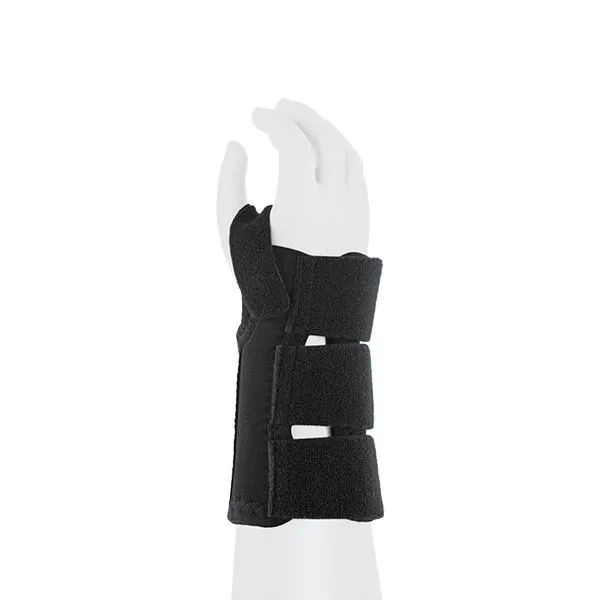
| Wrist splint | Rigid or mouldable palmar stay with straps | Bending is substantially limited | Maintaining a prescribed wrist position, including some diagnosed carpal tunnel presentations |
| Thumb brace | Wrist section plus thumb support or CMC shell | Thumb movement is also controlled | When support is needed around the thumb or thumb base |
The names “brace”, “support” and “splint” are sometimes used interchangeably. Check the construction and intended function rather than relying only on the product name.
What does a wrist brace do?
A wrist brace is a wearable support designed to apply compression, provide warmth, improve awareness of wrist position or restrict selected movement. Different designs perform different jobs. A thin wrap may leave the hand free for activity, while a splint with a metal or plastic stay is intended to hold the wrist more firmly.
A brace can be one part of a broader plan that includes activity changes, exercises, workplace adjustments, rehabilitation or medical treatment. It does not confirm the cause of pain, and the strongest brace is not automatically the best choice.
Types of wrist braces and their uses
1. Flexible wrist wraps
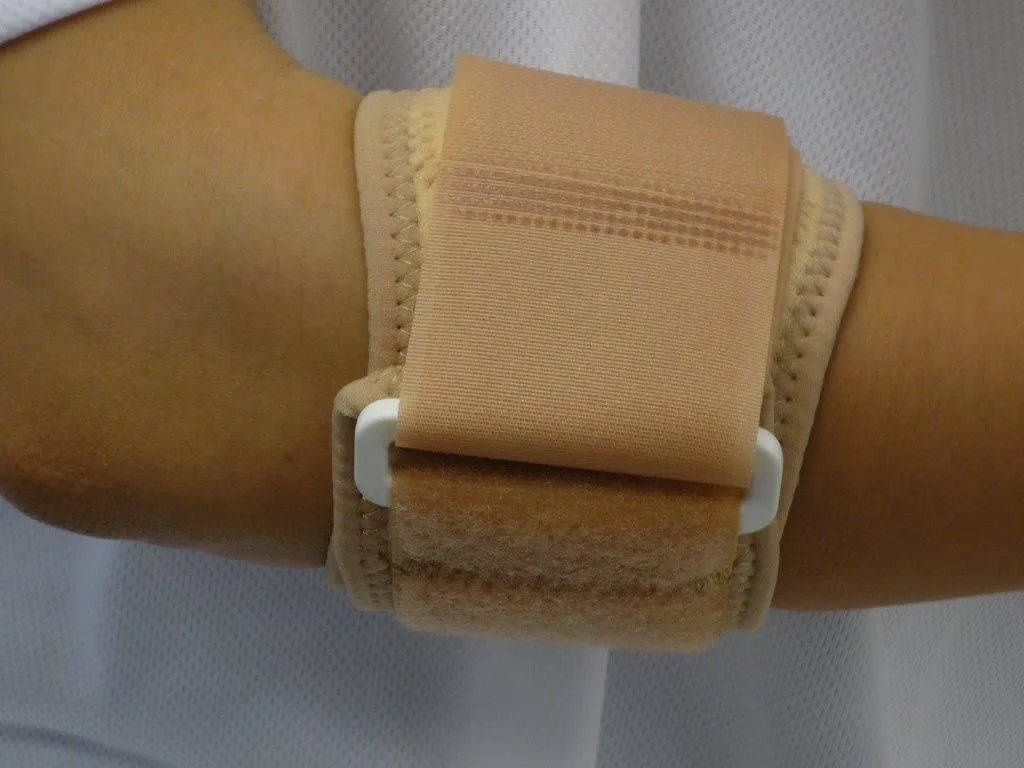
A wrist wrap winds around the joint and fastens with hook-and-loop material. It usually provides adjustable compression while allowing the fingers, thumb and much of the wrist to move. This can suit someone who wants a low-profile support during selected activities, but it does not provide the same movement restriction as a rigid splint.
2. Elastic or neoprene wrist supports
These supports use stretch fabric or neoprene to provide compression and warmth. They are often simple to fit and may be universal or available in several sizes. The Neo G Wrist Support Universal, for example, is adjustable, can fit either wrist and is designed to provide compression and support while retaining movement.
Actimed also stocks the JS Sports Elastic Wrist Brace, which uses an adjustable closure for mild compression and support. Always check current size and availability on the product page.
3. Wrist splints with a rigid stay
A wrist splint normally includes a metal, plastic or mouldable support along the palm side. This limits wrist flexion and extension more than a flexible wrap. The fingers and thumb may remain free, depending on the model.
The Darco Bungee Wrist Splint combines a metal palmar stay with an adjustable bungee-style closure and is available in left- and right-hand versions. For a higher level of structured support, the Otto Bock Wristoform uses a palmar splint and dorsal insert to restrict wrist bending. These more structured products should be selected according to professional advice and the exact product instructions.
4. Thumb-spica and CMC braces
A thumb brace is different from a wrist-only support because it also controls part of the thumb. A thumb-spica design may extend along the thumb, while a CMC brace focuses on the joint at the base of the thumb. The Push Ortho Thumb Brace is a left- or right-specific brace designed to stabilise the basal thumb joint while leaving the fingers available for function.
How to choose the right wrist brace
Step 1: identify where support is needed
Is the discomfort centred at the wrist, the thumb side, the base of the thumb or elsewhere in the hand? A wrist-only device may not control the thumb, and a thumb brace may not provide enough wrist restriction. Persistent pain, numbness or weakness should be assessed rather than matched to a brace by location alone.
Step 2: decide how much movement should be limited
For light compression during activity, a flexible wrap may be sufficient. If a clinician has advised keeping the wrist straight or reducing bending, a splint with a stay may be more appropriate. After surgery or a significant injury, use the prescribed support and wearing schedule.
Step 3: choose left, right or universal
Some flexible supports fit either wrist. Structured splints are often shaped specifically for the left or right hand because the palmar stay and thumb opening are not symmetrical. Confirm the side before ordering.
Step 4: check daily activities
Consider typing, tools, lifting, sport, personal care and sleep. A bulky brace may not fit under gloves or sleeves, while a flexible wrap may not provide enough control. A brace should not create a new hazard around machinery or prevent safe grip and steering. Follow professional and workplace guidance.
Step 5: check materials and care instructions
Neoprene can provide warmth but may feel hot to some users. Perforated fabrics may improve ventilation. If you have sensitive skin, allergies, wounds or reduced sensation, obtain advice before use. Check whether rigid stays must be removed before washing and allow the brace to dry fully according to the manufacturer’s instructions.
How to measure for a wrist brace
- Use a flexible measuring tape.
- Keep the hand relaxed and the wrist in a neutral position.
- Measure around the wrist at the location shown in the chosen product's sizing diagram—often around the wrist crease or narrowest point.
- Record the measurement in centimetres without pulling the tape tightly.
- Compare the result with that product's chart and confirm whether it is left, right or universal.
Do not choose by your usual clothing or glove size. Brands use different measurement points and size ranges. If you fall between sizes, follow the manufacturer's instructions or ask Actimed for product assistance.
How should a wrist brace fit?
A wrist brace should feel secure enough to stay in position but not so tight that it affects circulation or creates pressure points. The straps should lie flat, rough hook material should not touch the skin and any rigid stay should follow the palm comfortably. Unless the design is meant to support them, the fingers and thumb should move freely.
| Fit check | What to look for |
|---|---|
| Position | The brace remains centred and does not slide or twist. |
| Compression | Firm and comfortable, without throbbing or excessive pressure. |
| Skin | No rubbing, blisters, persistent red marks or rash. |
| Circulation and sensation | No colour change, cold fingers, increased swelling, numbness or tingling. |
| Function | Movement is limited only as intended, and the brace does not create an unsafe grip. |
Remove the brace and seek advice if symptoms worsen or it causes pain, pressure, skin irritation, colour changes, new numbness or increased swelling.
Wrist braces for carpal tunnel symptoms
Carpal tunnel syndrome involves compression of the median nerve at the wrist and should be properly assessed. Public hospital guidance commonly describes a night splint that keeps the wrist straight or neutral for diagnosed carpal tunnel syndrome. A flexible wrap that allows the wrist to bend may not perform the same job as a splint with a stay.
Do not assume every episode of hand tingling is carpal tunnel syndrome. Numbness, weakness or altered grip can have other causes. Seek medical advice if symptoms persist, worsen, affect strength or repeatedly wake you at night.
Can you sleep in a wrist brace?
Only wear a wrist brace overnight when the product instructions and your clinician's advice support night use. For diagnosed carpal tunnel syndrome, a neutral-position wrist splint may be recommended at night. A brace used for sport or daytime compression is not automatically suitable for sleeping.
Before bed, check that the brace is not overly tight and that there are no pressure points. Remove it and seek advice if you wake with increased pain, numbness, swelling, cold fingers or skin changes.
Can you work, exercise or drive in a wrist brace?
Suitability depends on the brace, the activity and your condition. A flexible support may allow more hand use, while a rigid splint can reduce grip, wrist movement and reaction ability. Do not use a brace around machinery if it could catch or reduce safe control. Cambridge University Hospitals advises that a wrist splint should not be worn while driving; follow your treating professional's guidance and local road-safety requirements.
Actimed wrist-brace comparison
| Product | Design | Side | Key selection point |
|---|---|---|---|
| Neo G Wrist Support Universal | Adjustable neoprene support | Universal | Flexible compression with movement retained |
| JS Sports Elastic Wrist Brace | Elastic brace with adjustable closure | Check product | Mild compression and support |
| Darco Bungee Wrist Splint | Palmar stay and adjustable bungee closure | Left or right | More movement restriction with one-handed adjustment |
| Otto Bock Wristoform | Palmar splint plus dorsal insert | Left or right | High structured wrist stability; professional selection recommended |
| Push Ortho Thumb Brace | Thumb-base stabilising brace | Left or right | Targets the CMC joint while preserving finger function |
Product availability, sizing and specifications can change. Check the live Actimed product page before purchasing.
When should wrist pain be assessed?
Seek prompt medical assessment after significant trauma, when the wrist looks deformed, or if you cannot use the hand normally. Also obtain advice for severe or worsening pain, marked swelling or bruising, open wounds, hot red skin, persistent numbness or tingling, loss of strength, colour changes or symptoms that do not improve.
Frequently asked questions
What is the difference between a wrist brace and a wrist splint?
A flexible brace usually provides compression and moderate support while retaining movement. A wrist splint normally includes a rigid stay that limits bending more substantially. Product names vary, so check the construction.
How do I know which wrist brace I need?
Match the device to the location, required support level, activity and clinical advice. Use a qualified professional for persistent pain, trauma, numbness, weakness or uncertainty.
How tight should a wrist brace be?
It should stay in place without sliding but must not cause throbbing, cold fingers, colour changes, swelling, numbness or tingling. Loosen or remove it if these occur.
How do I measure my wrist for a brace?
Wrap a soft tape around the point shown in the selected product's guide, usually the wrist crease or narrowest part. Record the circumference in centimetres and compare it with that exact chart.
Can I use the same brace on either wrist?
Only if the product is described as universal or reversible. Many structured splints and thumb braces are made specifically for the left or right hand.
Should I choose a brace with a metal stay?
A stay is useful when wrist bending needs to be limited, but it may be unnecessary when only light compression is wanted. Follow clinical advice for the required position and support level.
What type of wrist brace is used for carpal tunnel syndrome?
Guidance commonly describes a night splint that keeps the wrist straight or neutral for diagnosed carpal tunnel syndrome. Obtain an assessment because tingling and numbness can have other causes.
Can I wear a wrist brace all day?
Wear time depends on the condition, brace and treatment plan. Continuous unnecessary use may contribute to stiffness or skin problems. Follow the product instructions and your clinician's schedule.
Can I sleep in a wrist brace?
Only when night use is appropriate for the device and your condition. Check the fit before bed and remove it if symptoms, pressure or circulation concerns increase.
Can I type while wearing a wrist brace?
Some flexible supports permit typing, while rigid splints may change hand position and technique. Keep the keyboard and mouse close, take breaks and stop if symptoms increase.
Can I exercise with a wrist brace?
It depends on the activity, injury and brace. A support does not make an unsafe activity safe. Resume sport or lifting according to professional advice after injury.
Can I drive while wearing a wrist splint?
A rigid splint may restrict grip and steering. Cambridge University Hospitals advises not driving while wearing a wrist splint. Follow your clinician's advice and ensure you can meet all local driving-safety requirements.
What is the difference between a wrist brace and a thumb brace?
A wrist brace mainly controls or supports the wrist. A thumb brace also supports part of the thumb or the joint at its base. Choose according to the area and movement that need support.
Can a wrist brace make symptoms worse?
An unsuitable type, incorrect size, excessive tightness or poor positioning can increase discomfort or pressure. Stop use and seek advice if symptoms worsen.
How do I wash a wrist brace?
Follow the product label. Some fabric braces can be hand washed after removable stays are taken out. Fasten hook-and-loop straps and dry naturally away from direct heat.
When should I replace a wrist brace?
Replace or review it when the fabric stretches, straps stop fastening, the stay deforms, the brace no longer holds its position or your symptoms and support needs change.
Where can I buy a wrist brace in Perth?
Actimed Australia has a showroom at 25 Guthrie Street, Osborne Park, WA 6017. You can also order online for Australia-wide delivery.
Shop wrist braces in Australia
Explore wrist braces, wrist splints and thumb supports at Actimed Australia. Compare the design, side, measurement method and support level before ordering. Healthcare professionals can register or sign in for eligible practitioner pricing.
Need help comparing wrist-support options?
Browse the complete range online or visit Actimed's Osborne Park showroom.
This article provides general product education and is not medical advice. Product suitability depends on the diagnosis, required movement restriction, skin and circulation health, activity and clinical plan. Seek professional assessment for persistent, severe or worsening symptoms.
Actimed Australia
25 Guthrie Street, Osborne Park WA 6017
Phone: 08 9244 3982
Email: sales@actimed.com.au